What Is Cream Milk and How Is It Used?
Cream milk sounds simple, but its meaning can vary by region and brand. In many markets, it describes milk enriched with cream or a naturally rich dairy drink. Some products contain only milk and cream. Others may include sugar, stabilizers, or added flavors. The label matters more than the name.
This guide explains what cream milk is, how it differs from ordinary whole milk, and where it fits in everyday cooking. Its higher fat content can create a smoother texture and fuller taste. You may notice this in coffee, sauces, soups, puddings, and baked goods. A small splash can make mashed potatoes silkier. It can also help produce softer cakes and richer hot chocolate.
Use it thoughtfully. Cream milk is not always a direct substitute for heavy cream or regular milk. Recipes may change when fat and water levels differ. Check the nutrition panel for calories, saturated fat, added sugar, and allergens. Keep it refrigerated, follow the package date, and avoid using it if the smell or texture seems unusual. Simple habits matter.
Personal experience can help with texture, but reliable guidance should come from product labels and recognized food-safety authorities. People with lactose intolerance, milk allergies, or specific dietary needs should choose suitable alternatives or seek professional advice. The term remains slightly inconsistent, which can be confusing. That uncertainty deserves attention. Understanding the product itself makes each serving safer, more predictable, and easier to enjoy.
Definition and Key Characteristics of Cream Milk
What Is Cream Milk and How Is It Used?
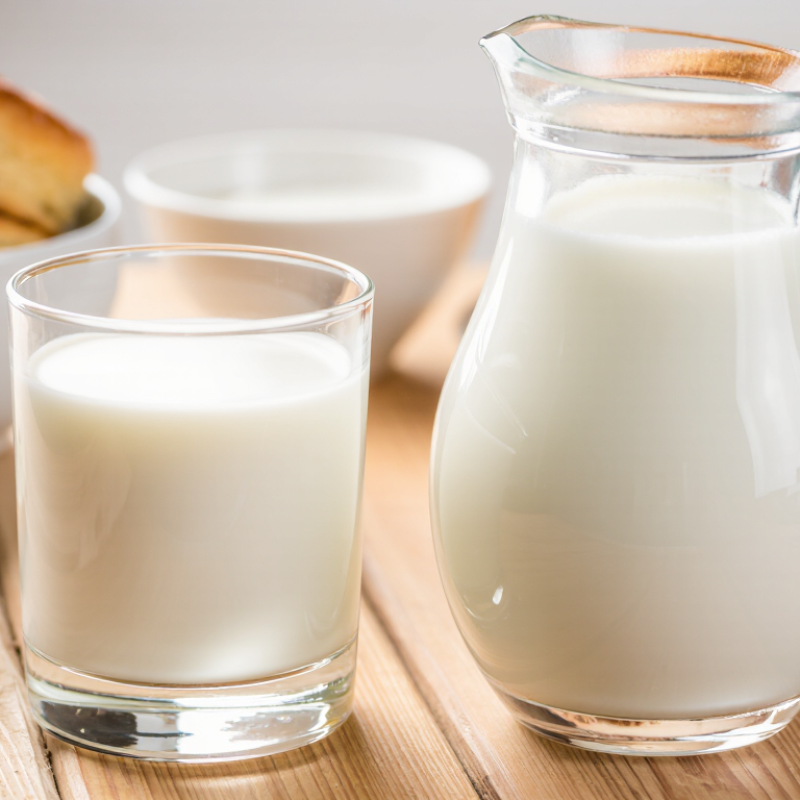
Cream milk generally refers to milk with a noticeably higher fat content than standard milk. The cream naturally rises when milk is left undisturbed. Processing may then blend it back into the liquid. The exact meaning can vary by region and product label. It is not always a formally standardized term.
Its key characteristics are a fuller mouthfeel, pale ivory color, and gentle dairy sweetness. Fat helps carry flavor and creates a smoother texture. Some varieties are homogenized, so the cream stays evenly distributed. Others may separate slightly during storage. That is not automatically a quality problem. Still, unusual odors, swelling containers, or sour flavors require caution.
Cream milk is useful in sauces, soups, custards, mashed vegetables, and baked goods. It can replace regular milk when a richer result is wanted. In coffee, it softens bitterness and adds body. Heating it slowly usually protects its texture. Boiling can cause curdling, especially with acidic ingredients. I once treated every creamy milk product as interchangeable, but that assumption was too simple. Fat levels, pasteurization, and added ingredients can change cooking results. Check the label and keep the product refrigerated. Freshness matters.
How Cream Milk Is Produced and Processed
What Is Cream Milk and How Is It Used?
Cream milk is milk containing a higher proportion of milk fat. Its smooth texture comes from tiny fat globules dispersed through the liquid. Many people use it in coffee, sauces, desserts, soups, and baked foods. The final result depends on fat content, freshness, and processing conditions.
Cream milk production begins after raw milk reaches a processing facility. Technicians test it for acidity, temperature, cleanliness, and fat levels. The milk then passes through a separator. Centrifugal force divides lighter cream from denser skim milk. This step is carefully controlled. Small changes can affect consistency.
The cream may be standardized by blending it with milk until the desired fat percentage is reached. It is commonly pasteurized to reduce harmful microorganisms. Heat treatment must be precise, because excessive heat can damage flavor and texture. Homogenization breaks fat globules into smaller particles. This helps prevent cream from rising during storage. Timing matters. After processing, the product is rapidly cooled and kept under refrigeration. I once assumed smooth cream was created mainly by adding fat, but temperature control is equally important. Even careful processing cannot correct poor-quality raw milk. Storage also matters, since repeated warming may shorten freshness and change the mouthfeel. Consumers should check the use-by date and keep the container cold.
Nutritional Profile of Cream Milk
Cream milk usually refers to milk with a higher cream content, rather than a single standardized product. Its nutrition changes with fat concentration. According to USDA FoodData Central, whole milk provides about 61 calories, 3.15 grams of protein, 3.25 grams of fat, and 113 milligrams of calcium per 100 grams. It also supplies vitamin B12, riboflavin, and phosphorus. These nutrients support muscle function, bone health, and normal energy metabolism.
Heavy cream is much richer. USDA data reports roughly 340 calories and 36 grams of fat per 100 grams. Saturated fat accounts for a large share. That difference matters in coffee, sauces, desserts, and creamy soups. A tablespoon may look small, yet repeated servings can raise daily calorie intake quickly. The USDA Dietary Guidelines for Americans recommends choosing low-fat or fat-free dairy more often, while allowing personal dietary needs and preferences. Still, “natural” does not mean nutritionally light.
Tips: Check the nutrition panel, especially serving size and saturated fat. Use cream milk in measured portions, not free-poured splashes. Pair it with fruit, oats, or vegetables for better meal balance. Lactose-sensitive readers should watch their own response; tolerance varies. I sometimes underestimate cream’s volume in recipes. Measuring helps. Be careful with fortified products, too, because vitamin levels can differ.
What Is Cream Milk and How Is It Used?
Nutritional Profile of Cream Milk
Cream milk, commonly represented by heavy whipping cream, is the fat-rich portion of milk separated during processing. Per 100 grams, it provides approximately 340 kilocalories, 36.1 grams of fat, 2.8 grams of carbohydrates, and 2.1 grams of protein. It is commonly used in sauces, soups, desserts, beverages, and whipped toppings. Values are based on generic heavy whipping cream data from the USDA FoodData Central database.
Common Culinary and Beverage Uses
What Is Cream Milk and How Is It Used?
Cream milk usually refers to milk enriched with cream, giving it a fuller texture and higher fat content. The term is not standardized everywhere, so check the nutrition label before cooking. Its smooth body works well in coffee, tea, hot chocolate, and chilled beverages. It softens sharp flavors without making a drink taste overly sweet. In baking, it adds moisture to pancakes, cakes, custards, and creamy fillings. It can also enrich mashed potatoes, scrambled eggs, soups, and pan sauces.
Tips: Keep cream milk refrigerated and use it within the package’s stated period. Shake or stir it gently before pouring, because the fat may rise during storage. Add it gradually to hot sauces. Sudden heat can make dairy separate. A low simmer is safer than vigorous boiling. For a lighter drink, mix it with regular milk. For a richer sauce, reduce the liquid slowly instead of adding too much cream milk.
The result depends on the product’s fat level. Low-fat versions may taste clean but provide less body. Higher-fat cream milk creates a silkier mouthfeel, although it can overwhelm delicate tea or light soups. I sometimes use less than a recipe suggests, because richness builds quickly. That small adjustment is easy to miss, but it often keeps the dish balanced.
| Type of Cream or Milk | Typical Milk-Fat Content | Texture and Flavor | Common Culinary Uses | Common Beverage Uses | Important Handling Notes |
|---|---|---|---|---|---|
| Whole Milk | About 3.25% fat | Fluid, moderately rich, and mildly creamy | Cream soups, sauces, custards, pancakes, bread dough, mashed potatoes, and puddings | Coffee, tea, hot chocolate, smoothies, and milk-based drinks | Refrigerate at 4°C (40°F) or below and use according to the package date and storage instructions. |
| Half-and-Half | About 10.5%–18% fat | Thicker and richer than milk but lighter than whipping cream | Pan sauces, creamy soups, scrambled eggs, baked dishes, and some desserts | Coffee, tea, iced coffee, and other drinks that benefit from moderate richness | It usually does not whip into a stable foam because its fat content is generally too low. |
| Light Cream | About 18%–30% fat | Smooth, lightly rich, and pourable | Soups, gravies, pasta sauces, desserts, and creamy vegetable dishes | Coffee, tea, cocoa, and chilled dessert beverages | Fat percentages and legal definitions can vary by region, so check the product label when substituting. |
| Whipping Cream | At least about 30% fat | Rich and smooth; can form a soft whipped foam when chilled | Whipped toppings, cream sauces, ganache, custards, ice cream, and fruit desserts | Specialty coffee, hot chocolate, milkshakes, and dessert drinks | Chill the cream and mixing equipment before whipping. Over-whipping can turn it into butter. |
| Heavy Cream | At least about 36% fat in the United States | Very rich, thick, and highly stable when heated or whipped | Alfredo-style sauces, soups, reductions, caramel, ganache, ice cream, and whipped cream | Rich coffee drinks, hot chocolate, milkshakes, and dessert beverages | Its high fat content helps reduce curdling risk, but acidic ingredients should still be added carefully. |
| Clotted Cream | Typically around 55% fat | Very thick, spoonable, buttery, and mildly sweet | Scones, pastries, fruit desserts, cakes, and breakfast dishes | Usually served alongside tea rather than mixed into beverages | Keep refrigerated. It is generally used as a topping and is not intended for whipping. |
| Sour Cream | Typically about 18% fat | Thick, tangy, and cultured | Dips, baked potatoes, tacos, cakes, cheesecakes, and creamy dressings | Occasionally blended into savory smoothies or used as a garnish for chilled drinks | Add it to hot mixtures gradually or temper it first to help prevent curdling. |
| Crème Fraîche | Typically about 30%–45% fat | Thick, cultured, slightly tangy, and less sharp than sour cream | Sauces, soups, fruit desserts, pastry fillings, and finishing dishes | Used sparingly in specialty dessert drinks and as a topping | Its relatively high fat content makes it more resistant to curdling during gentle cooking. |
| Evaporated Milk | Often about 6.5%–8% fat, depending on the product | Concentrated, creamy, and slightly caramelized in flavor | Custards, pumpkin-style pies, creamy sauces, casseroles, and desserts | Tea, coffee, milk punches, and chilled or warm dessert beverages | It is unsweetened and should not be confused with sweetened condensed milk. |
| Sweetened Condensed Milk | Usually about 8% fat, with substantial added sugar | Very thick, glossy, sweet, and concentrated | Fudge, caramel desserts, pies, ice cream, cakes, and no-churn desserts | Sweet coffee, milk tea, dessert shakes, and chilled condensed-milk drinks | Because it contains added sugar, it is not a direct substitute for unsweetened milk or cream. |
Storage, Handling, and Safety Considerations
What Is Cream Milk and How Is It Used?
Cream milk is milk containing a higher proportion of milk fat. It may be poured into coffee, sauces, desserts, or whipped preparations. Its richer texture also makes it more sensitive to temperature abuse. The U.S. Food and Drug Administration Food Code recommends holding refrigerated perishable foods at 41°F (5°C) or below. A refrigerator thermometer is more reliable than a dial setting.
Keep cream milk sealed and store it on an interior shelf, not in the warmer door. USDA FoodKeeper guidance commonly recommends using opened cream within about five days, although the package date and product type also matter. Check for sour odors, curdling, gas, mold, or unusual separation. Do not taste questionable dairy to test it. That habit seems harmless, but it is not a dependable safety check.
During service, pour only what is needed and return the container quickly. The FDA Food Code uses a four-hour limit for many refrigerated foods held without temperature control, including preparation and serving time. Smaller containers can reduce repeated warming. Clean hands, sanitized utensils, and separate storage prevent cross-contamination. The weak point is often routine. Temperature checks are easy to postpone, especially during a busy shift. Record them anyway. Content from FDA Food Code 2022 and USDA FoodKeeper guidance supports these handling practices.
Related Posts
-
2026 How to Choose the Best Farm Milk for Your Family
-

How to Source Fresh Milk for International Buyers?
-
How to Choose the Best Grass Fed Butter for Your Healthy Diet?
-
2026 Best Lactose Free Products for Global Buyers?
-

How to Get Milk Delivered to Your Home Easily?
-
Top 10 Benefits of Using European Butter for Your Recipes?