Why Is Fresh Milk Better Than UHT Milk?
A cold glass of fresh milk can taste creamy, mild, and familiar. But does it offer meaningful advantages over UHT milk, or is the difference mainly about flavor and convenience? The answer depends on what matters most to you. “Fresh milk” usually refers to pasteurized milk kept refrigerated, while UHT milk is heated briefly at a much higher temperature and packaged for longer unopened storage. Product labels and definitions can vary by region, so checking the package matters.
Both types provide protein, calcium, and other nutrients. Their nutritional profiles are generally similar, although heat treatment can affect some heat-sensitive vitamins slightly. The difference many people notice first is taste: UHT milk may have a subtly cooked flavor, while refrigerated pasteurized milk can taste cleaner or less sweet. Yet preferences are personal. A blind tasting might surprise you. Neither option is automatically better for every household.
This comparison looks beyond the label to processing, nutrition, flavor, food safety, and everyday practicality. It also considers small details, such as the fridge space fresh milk needs and how quickly an opened carton should be used. Storage instructions matter. Pasteurized milk must stay refrigerated, and UHT milk needs refrigeration after opening. Choosing well means weighing freshness, availability, price, and habits—not assuming one product is superior. There is no perfect answer, and that deserves a closer look.
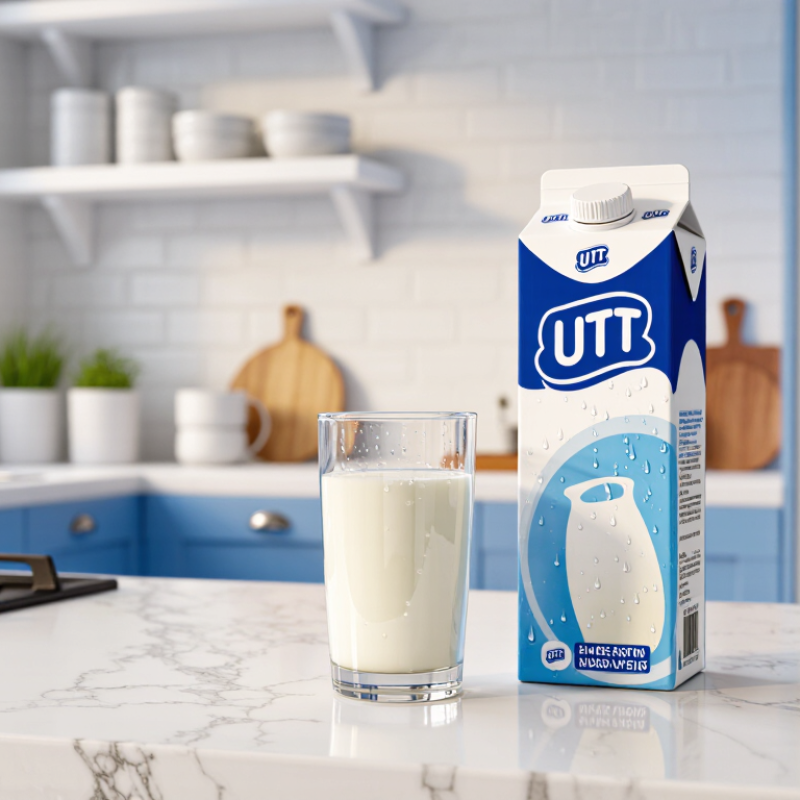
How Fresh Milk and UHT Milk Are Processed
Fresh milk is usually pasteurized with a brief, controlled heat treatment, then chilled and kept cold through transport and sale. A common method heats milk to about 72°C for 15 seconds. This reduces harmful microbes while keeping its familiar, mild taste. The cold chain matters: a carton left warm for hours is not the same product you picked up refrigerated.
UHT milk takes a much higher temperature, often at least 135°C, for just a few seconds. It is then packed in sterile containers under hygienic conditions. Unopened, it can stay shelf-stable for months. Once opened, it needs refrigeration. The short, intense heating can give UHT milk a slightly cooked flavor, noticeable in coffee or a plain glass. Small detail, but real.
The processing difference does not mean fresh milk is automatically more nutritious. Both provide protein, calcium, and other key nutrients; heat-sensitive vitamins may differ slightly. I used to assume “fresh” meant untouched, which is not quite right: most fresh milk is heat-treated too. Storage, handling, and personal taste all matter, and labels can vary by region. Neither process is perfect.
How Heat Treatment Affects Milk’s Nutrients
Fresh milk usually means pasteurized milk, not raw milk. Pasteurization commonly heats milk to about 72°C for 15 seconds; UHT treatment reaches at least 135°C for a few seconds. That hotter process helps UHT milk stay unopened on a shelf, but heat can reduce some heat-sensitive vitamins, including thiamin and vitamin B12. A review by Claeys and colleagues in the International Dairy Journal (2013) notes that heating affects certain nutrients, while milk’s protein and calcium are comparatively stable. So the difference is real, but smaller than “fresh has all the nutrients” suggests.
Tips: Check the label and storage instructions. Once opened, UHT milk needs refrigeration. If you rely on a particular nutrient, compare the nutrition panels rather than judging by taste or carton type.
Fresh milk may have a slightly less cooked flavour, while UHT milk can taste warmer or sweeter because heating changes some milk sugars and proteins. These effects also depend on processing and storage, so two cartons may not taste alike. I would not treat either option as automatically healthier: UHT milk remains nutritious, and fresh pasteurized milk still undergoes heat treatment. The Codex Alimentarius sets a minimum temperature for UHT processing; nutrient comparisons are discussed in the 2013 review by Claeys et al.
Differences in Flavor and Texture
When people compare fresh milk with UHT milk, they often notice aroma before anything else. Refrigerated pasteurized milk usually tastes mild, creamy, and slightly sweet. Its flavor can feel clean, especially when served cold in a plain glass. UHT milk is heated to a much higher temperature for a short time. That process can leave a faint cooked or custard-like note. Some people barely notice it. Others find it unmistakable.
Texture differences are often subtler than flavor differences. Both milks can feel smooth, but UHT milk may seem a little fuller or more coating on the tongue. Heat can change milk proteins, which may influence that impression. Still, fat percentage, homogenization, and serving temperature matter too. A cold, higher-fat milk can feel richer than a warmer, lower-fat one, regardless of processing. Small details count.
A simple comparison works best: pour both milks into identical glasses and taste them at the same temperature. Notice whether one leaves a creamier film, or whether the other has a softer, fresher finish. The result is not a universal ranking; taste is personal, and I may be overreading a slight difference. Fresh milk can also vary between batches, so one tasting may not settle it. UHT’s mild cooked note is easier to detect in plain milk than in coffee or cereal.
| Comparison point | Fresh pasteurized milk | UHT milk |
|---|---|---|
| How it is processed | Heated to a lower temperature than UHT milk, then rapidly cooled. Exact time and temperature vary by process. | Heated to at least 135°C (275°F) for a few seconds, then packaged aseptically. |
| Typical flavor | Often described as clean, mild, and closer to the taste of refrigerated milk before heating. | Can have a more cooked, caramel-like, or slightly sulfurous note because of high-temperature heating. |
| Typical texture | Usually tastes smooth and familiar. Its texture is influenced mainly by fat content and homogenization. | Often has a similar overall body, though some people notice a slightly different or more rounded mouthfeel. |
| Why the flavor differs | Lower-heat pasteurization generally causes fewer heat-related flavor changes than UHT treatment. | Higher heat can change some milk proteins and create flavor compounds associated with cooked notes. |
| Storage before opening | Must be kept refrigerated and has a shorter shelf life than UHT milk. | Can be stored at room temperature while unopened when the package remains sealed and intact. |
| Storage after opening | Keep refrigerated and follow the package date and storage instructions. | Refrigerate after opening and follow the package instructions; it is no longer shelf-stable once opened. |
| Nutrition | Provides protein, calcium, and other nutrients; values depend on the milk and whether it is fortified. | Provides broadly similar nutrients to comparable milk, although heat-sensitive vitamins may be affected to some extent. |
| Which may suit you better? | A good choice if you prefer a fresher, less cooked flavor and can keep milk refrigerated. | A practical choice for pantry storage, travel, or reducing shopping frequency; its flavor is a matter of preference. |
“Fresh milk” here means refrigerated pasteurized milk, not raw milk. Flavor and texture vary with fat content, homogenization, processing method, storage, and personal preference; neither type is universally better.
Storage, Shelf Life, and Food Safety
Fresh milk is typically pasteurized and kept refrigerated, while UHT milk is heated at a higher temperature and packed to stay shelf-stable unopened. Both can be safe choices when handled correctly. Neither is automatically better. Fresh milk often has a shorter refrigerated shelf life, and its quality depends on an unbroken cold chain from shop to home. UHT milk is convenient for storage, but it still needs refrigeration after opening.
Keep fresh milk in a refrigerator at 4°C (40°F) or colder, ideally on an interior shelf rather than the warmer door. Follow the package’s use-by date and storage instructions; actual shelf life can vary with processing and handling. Once opened, refrigerate UHT milk too, and use it within the time stated on its carton. If milk sits out for an extended period, discard it. A normal smell is not a reliable safety test. I’ve sometimes trusted the date too much; temperature matters, too.
Tips: Bring chilled milk home promptly and put it away right away. Pour only what you need, then close the container tightly. Check the label after opening. If you are unsure how it was stored, playing it safe is better.
When Fresh Milk May Be the Better Choice
Why Is Fresh Milk Better Than UHT Milk?
When Fresh Milk May Be the Better Choice
Chilled, pasteurized milk may suit you better when flavor and immediate use matter most. The FDA’s standard pasteurization method heats milk to at least 72°C for 15 seconds. UHT processing typically uses 135–150°C for a few seconds, according to Tetra Pak’s Dairy Processing Handbook. These different heat treatments can create distinct flavors. Some people prefer the fresher taste; others notice a slightly cooked note in UHT milk.
Fresh milk is a practical pick for a chilled breakfast or a creamy cup of coffee. Buy it when you can use the carton before its date, and keep it refrigerated. USDA FoodData Central lists whole milk at about 3.15 g protein and 3.25 g fat per 100 g. Those figures describe composition, not a nutritional advantage for fresh milk over UHT. Some heat-sensitive vitamins can change slightly during processing, while many core nutrients remain similar. Taste matters, but it is not a nutrition test.
Tips: Choose a carton size you can finish, and store it on an interior fridge shelf. I sometimes forget how quickly an opened carton gets used—checking the date helps.
Why Is Fresh Milk Better Than UHT Milk? — When Fresh Milk May Be the Better Choice
Fresh pasteurized milk may suit you if you prefer its less heat-treated taste and can keep it refrigerated. UHT milk is heated more intensely, making it shelf-stable while unopened. The chart compares typical processing temperatures—not overall quality or nutrition.
HTST (high-temperature, short-time) pasteurization commonly uses 72°C for 15 seconds. UHT treatment commonly uses at least 135°C for a short time; exact processes vary. Both products should be handled and stored according to their labels.
Related Posts
-
How to Source Fresh Milk for Global Buyers?
-

Top 10 Ways to Enjoy Fresh Milk in Your Daily Diet?
-

How to Source Fresh Milk for International Buyers?
-
7 Best Plant Butter Suppliers for Global Buyers
-
10 Essential Tips for Choosing the Best Dairy Free Butter Options?
-
2026 Best Fresh Milk Options for Health and Taste?