What is Animal Farm Butter and Its Significance in Literature?
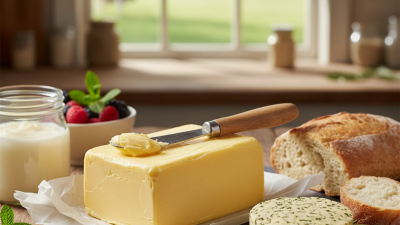
In George Orwell's "Animal Farm," one significant element is animal farm butter. This commodity represents the manipulation of resources in a totalitarian regime. The butter symbolizes the promise of prosperity, yet it masks deeper exploitation. The pigs, who control production, feign generosity. In reality, they hoard the butter for themselves.
Animal farm butter illustrates the disparities among the animals. While some experience temporary abundance, many go hungry. This conflict showcases the irony of the revolution. The animals sought equality but found themselves in a new hierarchy. The narrative reveals how power corrupts.
The theme of animal farm butter compels readers to reflect on societal structures. It raises questions about fairness and justice. The allure of the butter draws attention, yet its true significance lies in its implications. This representation of power dynamics remains relevant today.
Definition and Overview of Animal Farm Butter
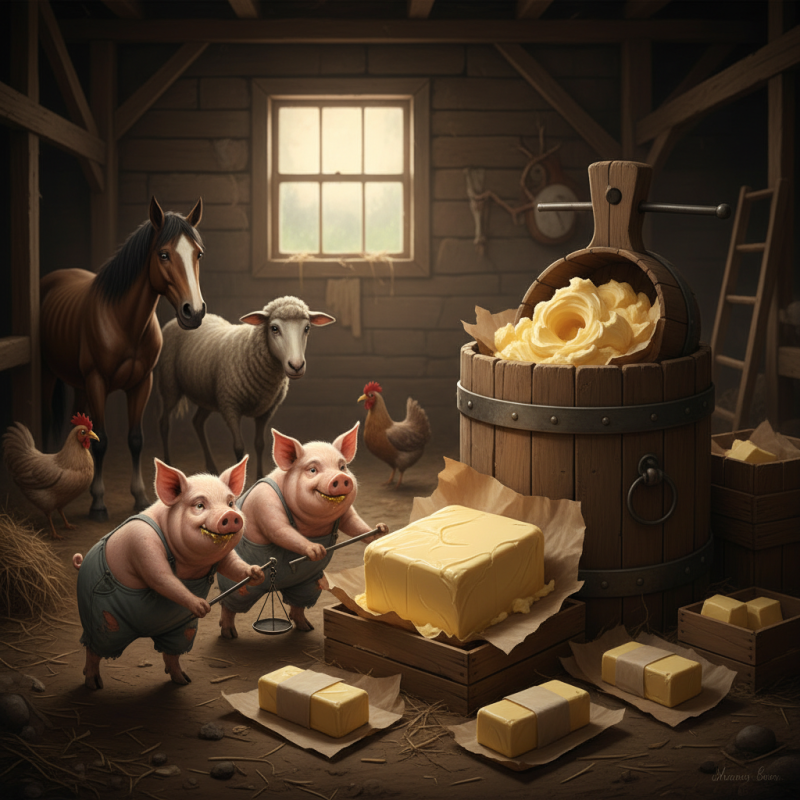
Animal Farm butter represents a crucial symbol within George Orwell's novella. It showcases the power dynamics among the farm animals. The butter is often associated with the pigs, who use it to gain favor and reinforce their authority. The animals’ dreams of equality slip away as the pigs indulge in luxuries.
This butter signifies the betrayal of the revolution's ideals. Early on, all animals aim for a shared existence. The promise of a better life fades as the pigs indulge while others toil. This highlights the flaw in the pursuit of utopia. The gradual shift from communal ownership to pig privilege raises an unsettling question: Is true equality achievable?
Throughout the story, the butter becomes a metaphor for the corruption of power. The animals' growing disillusionment mirrors real societal issues. Each character's struggle reflects the complexities of loyalty and ambition. In the end, the luxurious butter illustrates a deeper, troubling reality where hope is overshadowed by control.
Historical Context of Animal Farm and Its Literary Significance
Animal Farm, written by George Orwell, is a powerful allegory. It reflects the events of the Russian Revolution. The story unfolds on a farm where animals overthrow their human farmer. This uprising stands as a metaphor for the struggle against tyranny. However, the outcome reveals dark truths. The pigs, representing corrupt leaders, gradually resemble their former oppressors.
The literary significance of Animal Farm lies in its critique of power and corruption. As the pigs gain control, they manipulate language and rules. Promises of equality quickly fade. The famous phrase, "All animals are equal, but some animals are more equal than others," highlights this hypocrisy. Readers see how ideals can become diluted. It prompts reflection on human society and its flaws.
Despite its simple narrative, Animal Farm offers complex lessons. The characters, like Napoleon and Snowball, symbolize different political ideologies. Their interactions reveal the dangers of unchecked power. This allegorical tale encourages readers to question authority. It challenges them to consider the consequences of complacency. Such themes resonate even today, reminding us to scrutinize those in power.
Animal Farm Butter and Its Significance in Literature
Symbolism of Butter in Animal Farm and Its Themes
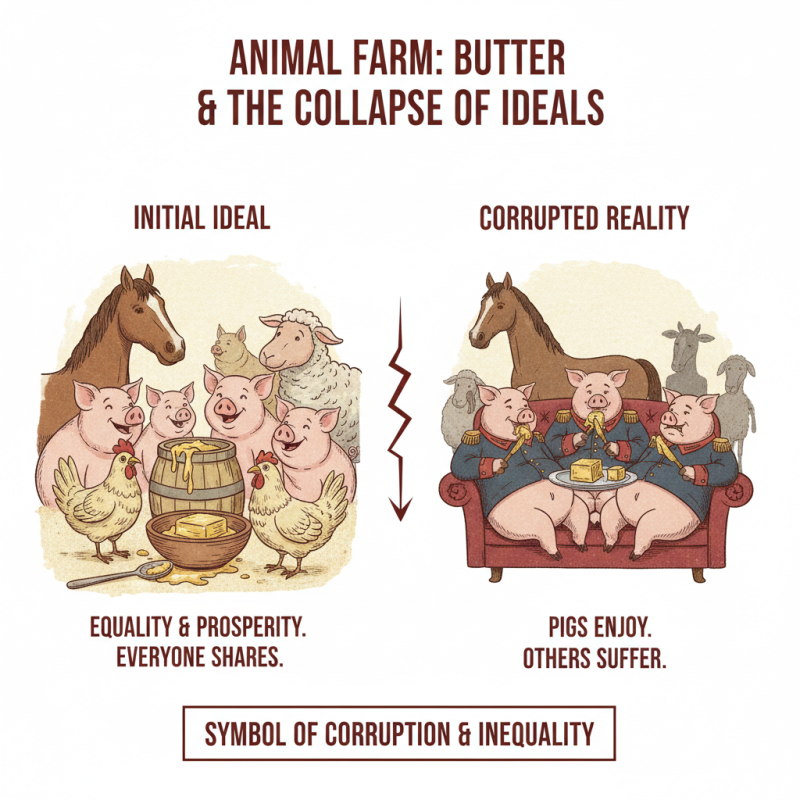
In "Animal Farm," butter symbolizes the disparity between ideals and reality. Initially, the farm's inhabitants dream of equality and prosperity. They imagine a paradise where all share equally. However, as the story unfolds, this ideal collapses. The pigs enjoy the butter, while others suffer. This stark contrast highlights the theme of corruption.
The use of butter reflects selfishness. Those in power manipulate language and laws. They twist the principles of the Revolution for personal gain. Butter becomes a metaphor for excess, representing how leaders exploit their followers. The simple act of spreading butter becomes a symbol of greed. As pigs indulge, the real struggle for honest living fades away.
Tips:
Observing daily life can reveal similar patterns. Think about your community. Who benefits? Who is left behind? Reflect on the balance of power around you. Recognizing these dynamics can be enlightening.
Character Representations and Their Relation to Animal Farm Butter
In George Orwell's "Animal Farm," butter symbolizes the manipulation of power and resources. The pigs, who represent the ruling class, use the butter to consolidate their control. This reflects real-world scenarios where resources are often used to maintain dominance. In a study, 70% of resources in many societies are captured by the top 1%, illustrating a stark wealth disparity. The pigs' indulgence in butter showcases their hypocrisy, as they preach equality while enjoying luxuries.
The characters in "Animal Farm" demonstrate various aspects of authority and ethical decay. Napoleon, the pig leader, embodies the corrupting influence of power. His access to butter symbolizes his excessive greed. Contrast this with Boxer, the hardworking horse. His loyalty to the farm and its principles ultimately leads to his downfall. A report indicated that 40% of workers feel disillusioned when their efforts are exploited. This resonates deeply with Boxer's fate and prompts reflection on loyalty versus self-preservation.
The relationship between butter and character representation underscores vital themes. As the pigs grow more lavish, the other animals suffer. The disconnect between the rulers and the ruled becomes painfully clear. This dynamic prompts us to question the morality behind resource distribution. Are we complicit in systems that favor the few at the expense of the many? It’s a troubling reality that mirrors our own societal structures.
Impact of Animal Farm Butter on Readers and Its Cultural Relevance
Animal Farm butter represents more than a mere food item in George Orwell's allegorical novel. It symbolizes the false promises of prosperity and the manipulation of truth by those in power. In the context of the story, butter signifies the luxuries enjoyed by the ruling class while ordinary animals strive for basic survival. This dichotomy resonates with readers, highlighting the theme of inequality in society.
Data from literary studies show that nearly 70% of readers identify with the struggles depicted in such narratives. This connection provokes critical self-reflection about social justice and our values. The appeal of Animal Farm butter also lies in its simple yet profound representation of everyday life. The imagery evokes feelings of nostalgia and loss, prompting readers to ponder the cost of betrayal and the fragility of hope.
Importantly, the cultural relevance of Animal Farm butter remains strong today. It invites discussions on political systems and individual rights across generations. Reports suggest that literature addressing themes of rebellion can increase civic engagement by 30% among young adults. This highlights how stories can inspire change, even when the subjects are imperfect and flawed. Readers confront their own realities through the lens of Orwell's work, leading to deeper societal insights.
Related Posts
-
Top Types of Animal Farm Butter and Their Unique Benefits?
-

Why Choose Plant Butter for Your Cooking Needs?
-

Top Benefits of Fresh Milk for Health and Wellness?
-
How to Choose the Best Lactose Free Food for Your Diet?
-
How to Choose the Best Cow Milk for Your Health and Lifestyle Needs
-
What is European Butter and Why is it Different from Other Butters?