Top 10 Benefits of Using European Butter for Your Recipes?
When it comes to baking and cooking, the choice of butter can greatly impact your recipe's outcome. European butter stands out in the culinary world for its rich flavor and creamy texture. This butter is crafted with a higher fat content, often providing a luxurious mouthfeel that enhances both sweet and savory dishes. The aging process used in European butter gives it a distinctive, slightly tangy profile that elevates recipes from ordinary to exceptional.
Using European butter not only enhances taste but also improves the overall quality of your meals. Its versatility makes it suitable for a wide range of dishes, from flaky pastries to savory sauces. Many chefs and home cooks alike swear by this ingredient, citing its ability to create a depth of flavor that standard butter simply cannot match. However, not all European butters are created equal. It’s essential to choose wisely, as some brands may fall short in delivering that desired quality.
European butter can truly be a game-changer in the kitchen, but it’s not always the easiest ingredient to work with. Its higher fat content may require adjustments in your recipes. This unique butter invites exploration and creativity, leaving room for reflection on what works best in your dishes. Embracing the full potential of European butter can transform cooking into a flavorful journey.
Benefits of European Butter: Comparing Fat Content and Flavor Profiles
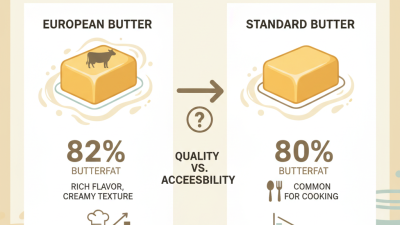
European butter is known for its richness and depth of flavor, setting it apart from other types. Its higher fat content—typically around 82%—contributes to its unique taste and texture. This elevated fat percentage enhances the creaminess in baked goods and savory dishes, resulting in a more indulgent experience. Many chefs and home cooks find that it elevates the simplest recipes, from cookies to sauces.
The flavor profile of European butter is notably different. It often boasts a slightly tangy taste due to the fermentation process in its production. This subtle tang can bring out the natural sweetness of ingredients. Some may not notice this difference at first, but in a side-by-side comparison, it becomes evident. Substituting regular butter with European butter can lead to unexpected results. The richer flavor can overpower delicate ingredients if not balanced properly.
While using European butter can improve the overall quality of your dishes, it requires some adjustment. Recipes may need a few tweaks for optimal results. This might mean altering the amount of sugar or spices. Experimentation is part of the learning curve. Embracing the unique qualities of European butter can lead to delightful culinary surprises, even if it takes some time to fully understand its potential.
The Role of Butter Fat in Enhancing Culinary Textures and Richness
European butter is renowned for its high butterfat content, typically around 82%. This richness plays a crucial role in culinary applications. The elevated fat percentage enhances flavors and creates creamier textures in dishes. In baking, for instance, it leads to flakier pastries and moist cakes. A study by the American Dairy Science Association noted that higher fat butter can improve sensory qualities, making pastries more desirable.
The presence of buttermilk solids in European butter also contributes to its unique flavor profile. These solids add depth, resulting in a more complex taste in sauces and creams. Chefs often report that sauces made with European butter have a silkier mouthfeel. A unit from France's dairy research indicated that proper incorporation of fat into emulsions enhances stability, which is essential in professional kitchens.
Despite these advantages, some home cooks may find the cost of European butter prohibitive. Experimentation with different amounts or blends can yield mixed results. Not every recipe requires the same fat content. Understanding the balance between butter and other ingredients is key to achieving desired outcomes. Reflecting on personal experiences and adjusting recipes can lead to surprising discoveries in flavor and texture.
Healthier Fats: The Nutritional Advantages of European Butter vs. Regular Butter
European butter offers unique nutritional advantages compared to regular butter. Its higher butterfat content results in a richer flavor and creamier texture. This quality makes European butter ideal for baking and cooking, enhancing the overall taste of dishes.
The fats found in European butter are primarily saturated, but they come with a higher proportion of beneficial fatty acids. These include butyrate, which has anti-inflammatory properties and promotes gut health. Studies suggest that these healthier fats can improve heart health when consumed in moderation. Additionally, the vitamins present in European butter, such as A, D, E, and K, support overall well-being.
Using European butter may seem indulgent, yet it can elevate your meals. However, it's crucial to be mindful of portions. While the taste is exquisite, the richness might overwhelm lighter dishes. Striking a balance between flavor and health benefits is key. Consider incorporating this type of butter slowly into your recipes, assessing its impact on your health and culinary creations along the way.
Top 10 Benefits of Using European Butter for Your Recipes
| Benefit | Description | Nutritional Advantage |
|---|---|---|
| Rich Flavor | European butter has a higher butterfat content, resulting in a creamier and richer flavor. | Higher butterfat enhances taste without extra calories. |
| Healthy Fats | Contains more monounsaturated fats compared to regular butter. | Monounsaturated fats promote heart health. |
| Natural Ingredients | Made from high-quality cream with no additives. | Pureer ingredients support better health. |
| Vitamins and Nutrients | Rich in essential vitamins A, D, E, and K. | Enhanced nutrient profile for better health. |
| Higher Smoke Point | Can be cooked at higher temperatures without burning. | Greater versatility in cooking and baking. |
| Better for Baking | Enhances flakiness and texture in baked goods. | Improved baked product quality. |
| Probiotic Content | Made from cultured cream, which may contain probiotics. | Supports gut health and digestion. |
| Sustainability | Produced in more sustainable farming practices. | Better for the environment and ethical concerns. |
| Great for Spreading | Creamy texture makes it easy to spread on bread. | Reduces the need for margarine or spreads. |
| Culinary Tradition | Often used in traditional European recipes. | Embracing culinary heritage and flavor. |
Impact of European Butter on Baking: Science Behind Better Rise and Crust
European butter is renowned for its rich flavor and superior quality, making it a favorite among bakers worldwide. The science behind the butter’s impact on baking is fascinating. European butter typically contains a higher fat content compared to regular butter, often around 82% or more. This higher fat content contributes to a better rise in baked goods. The additional fat creates air pockets that expand during baking, leading to lighter, fluffier textures.
Another significant aspect is the milk solids present in European butter. These solids caramelize beautifully, creating a crispy, golden crust on pastries and breads. This browning effect adds depth and complexity to flavors. Bakers often notice that their creations not only taste better but also have improved textures. However, it’s essential to understand that using European butter may require adjustments in recipes. For instance, the added fat could lead to a more moist dough, which might need slightly different handling.
While the advantages are clear, experimenting with European butter can also prompt challenges. Some bakers may find that they need to tweak their ingredient ratios. This trial-and-error process can lead to valuable insights into their baking techniques. A slight change could result in a recipe that doesn’t turn out as expected. Yet, these missteps contribute to a deeper understanding of the role that quality ingredients play in successful baking.
Impact of European Butter on Baking: Comparison of Texture and Flavor
Sustainability and Quality: Sourcing European Butter from Ethical Farms
European butter stands out for its rich flavor and creamy texture. However, another significant reason to choose it is the commitment to sustainability. Many European farms practice ethical farming techniques. They focus on animal welfare and environmental health. Reports indicate that around 75% of European dairy farms adhere to strict sustainability standards. This dedication reduces the carbon footprint associated with butter production.
When sourcing butter, consider farms certified by accredited organizations. These farms often emphasize rotational grazing and organic feed. They minimize the use of synthetic fertilizers and pesticides. This results in healthier soil and better quality butter. You can often taste the difference.
Tips: Look for butter labeled as pasture-raised. This generally indicates higher animal welfare standards. Pay attention to local sourcing as well; this often means fresher butter. Supporting these farms can lead to a more sustainable food system. While prices may be higher, the quality and ethical approach are worth it. Reflect on the broader impact of your food choices. Choosing European butter not only enhances your recipes but supports responsible farming practices.
Related Posts
-
What is European Butter and Why is it Different from Other Butters?
-
10 Best Dairy Supplies for Your Farm Needs?
-
10 Essential Tips for Buying Bulk Butter Successfully
-

What is Animal Farm Butter and Its Significance in Literature?
-
Top Types of Animal Farm Butter and Their Unique Benefits?
-
2026 Best Dairy Free Butter Options for Health Conscious Consumers?