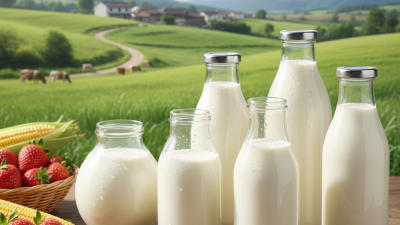
2026 Best Daily Milk Suppliers for Global Importers?
In the evolving landscape of the dairy industry, the demand for quality daily milk has grown significantly. A leading expert in dairy supply, Dr. Sarah Johnson, emphasizes, "Quality daily milk is essential for meeting consumer needs worldwide." This insight highlights the importance of sourcing reliable daily milk suppliers, especially for global importers.
As we approach 2026, identifying the best daily milk suppliers is crucial for businesses striving to meet consumer expectations. The daily milk market is not without its challenges. Fluctuating prices, supply chain disruptions, and varying quality standards can complicate import processes. Importers must navigate these complexities to ensure they secure the best products.
Moreover, not all suppliers meet the stringent quality criteria required to maintain a consistent daily milk supply. Conducting thorough research and building relationships with reputable suppliers is vital. In this competitive space, the right partnerships can drive success and enhance product quality for consumers. Thus, understanding the market and identifying strong suppliers will shape the future of daily milk imports.
2026 Overview of Global Dairy Market Trends
In 2026, the global dairy market will continue to show varied trends. Increasing consumer demand for nutritious and natural products fuels growth in this sector. More consumers are seeking alternatives to traditional dairy due to lactose intolerance and dietary choices. This shift is prompting suppliers to innovate and diversify their offerings.
Regionally, the dairy industry faces challenges. Climate change affects milk production, causing fluctuations in supply. Some regions report reduced yields from extreme weather. Additionally, global trade tensions influence dairy imports and exports. These dynamics make it crucial for suppliers to adapt their strategies. Staying agile will be essential for meeting evolving market demands.
Quality assurance remains a top priority for importers. Many seek suppliers with certifications and safety standards. As dairy products cross borders, maintaining freshness and safety is vital. Trust in suppliers will be built through transparency in sourcing and production processes. Being aware of regional regulations will also guide import decisions, reflecting the complex nature of today's market dynamics.
Key Criteria for Selecting Milk Suppliers
When selecting milk suppliers, certain criteria can greatly influence the overall quality of your purchasing decisions. First and foremost, consistency in product quality is vital. You need suppliers who can provide milk with a stable taste and nutritional profile. Variability in quality can lead to customer dissatisfaction. Understanding the supplier's quality control processes will help ensure that their milk meets your standards.
Another crucial factor is supply chain reliability. A dependable supplier should demonstrate timely deliveries. Assess their logistics to avoid disruptions. Research their history of fulfilling orders and handling unexpected challenges. This data can offer insight into their resilience and commitment to meeting your needs.
Lastly, consider transparency. Suppliers who openly share information about sourcing and production methods build trust. You should feel secure knowing where your milk comes from and how it is processed. It’s important to reflect on these aspects, as overlooking them can lead to complications down the line. Knowledge and vigilance are key in forging successful partnerships in this competitive market.
Top Daily Milk Suppliers by Region
When considering the best daily milk suppliers for global importers, it's essential to examine regional strengths. Each region offers unique attributes that cater to specific market needs. For instance, Northern Europe is known for its high-quality dairy farms. These farms prioritize animal welfare and sustainable practices. The result is premium milk with superior nutritional content.
In contrast, regions in South America leverage their diverse climates to produce a wide variety of milk products. These suppliers often excel in cost-effectiveness, making them attractive to budget-conscious importers. However, navigating the logistics can be challenging due to varying infrastructure levels. Importers must weigh these factors carefully.
Asia presents another intriguing landscape. With a growing demand for dairy, suppliers in this region are rapidly innovating. They focus on technology-driven production methods. Yet, some companies struggle to meet the high quality standards required by global markets. Understanding local regulations and quality requirements is crucial for success. Balancing cost and quality can be a complex issue for many importers seeking reliable partnerships.
Impact of Supply Chain on Milk Quality and Pricing
The supply chain profoundly affects milk quality and pricing on a global scale. A report from the Food and Agriculture Organization (FAO) indicated that about 90% of the quality of dairy products hinges on supply chain effectiveness. Factors such as temperature control, transportation speed, and packaging materials can significantly influence milk's freshness and nutritional value.
Transportation logistics, for instance, play a crucial role. A delay of even a few hours can lead to spoilage. According to a 2022 study by the International Dairy Federation, proper handling in the supply chain can reduce spoilage rates by up to 30%. This loss in quality directly correlates with price fluctuations in the market, resulting in higher costs for importers. Consumers are increasingly demanding fresh and high-quality milk, pushing retailers to seek reliable suppliers.
However, not all supply chains are optimized. Some regions still struggle with outdated practices. A significant percentage of small-scale dairy farmers face challenges such as inadequate storage facilities. These hurdles lead to inconsistent quality, which can erode consumer trust. As importers evaluate their suppliers, understanding the intricacies of the supply chain becomes pivotal in ensuring both quality and price stability.
2026 Global Milk Supply Chain Impact on Quality and Pricing
Future Innovations in Dairy Supply for Importers
The dairy supply chain is experiencing significant changes as we approach 2026. Innovations in dairy technology are set to reshape how global importers source milk. Reports indicate that automation and AI in dairy farming will lead to higher yields and better quality products. For instance, advanced milking robots can increase efficiency by up to 30%, allowing farmers to focus on quality and sustainability.
Sustainability remains a critical concern. The demand for environmentally friendly practices is rising among consumers. A recent industry study revealed that 75% of consumers prioritize sustainable sourcing. This trend is pushing suppliers to adopt eco-friendly methods, from waste reduction to energy efficiency. Meanwhile, blockchain technology is enhancing transparency in the supply chain. It ensures traceability and builds trust between dairy suppliers and importers.
As these innovations unfold, challenges remain. The initial investment in new technologies can be daunting for smaller producers. Not all importers have the capacity to absorb fluctuating costs. This unpredictability could lead to uneven quality and supply. Navigating these complexities requires a deep understanding of market dynamics and consumer preferences. The path forward may not be straightforward, but the potential for growth and improvement is immense.
Related Posts
-
China Top Farm Milk Brands and Their Unique Features?
-
Top Benefits of Fresh Milk for Health and Wellness?
-
What is the Best Way to Order Milk Online?
-
What is the Best Daily Milk to Drink in 2026?
-
2026 Best Fresh Milk Options for Health and Taste?
-
What is Bulk Milk and How is it Used in Dairy Industry?