What is the Best Dairy Foods for Global Buyers?
When exploring the global market, understanding dairy foods is essential. Dairy products are rich in nutrients and vary significantly across cultures. Buyers must recognize the diversity in flavors, textures, and nutritional profiles.
Each region offers distinct dairy foods. For example, European cheeses are renowned for their craftsmanship. Meanwhile, Asian markets emphasize fermented products like yogurt. This variety poses challenges for global buyers. Different quality standards and consumer preferences must be considered.
Navigating the dairy foods landscape requires expertise. Buyers need to understand sourcing, production methods, and market trends. This awareness ensures informed decisions. Reflecting on these aspects will enhance buyers' experiences and contribute to successful transactions.
What Are the Top Dairy Foods Preferred by Global Consumers?
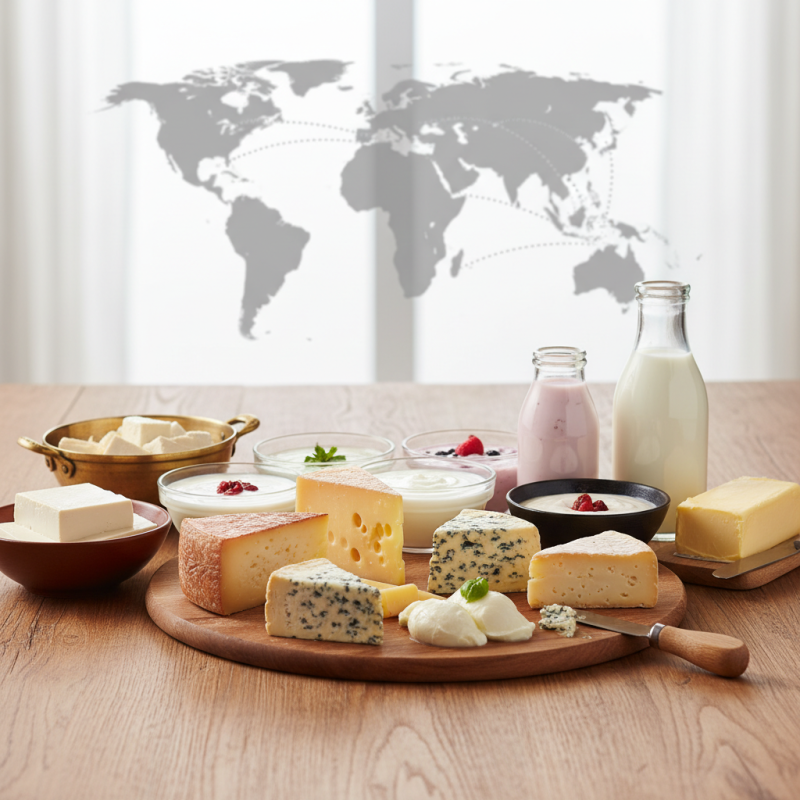
Global consumers have diverse preferences when it comes to dairy foods.
Yogurt stands out as a favorite.
It's valued for its creamy texture and probiotic benefits. Many enjoy it as a breakfast staple or a nutritious snack.
The versatility of yogurt allows it to be flavored in numerous ways, appealing to a broad audience.
Cheese is another popular choice. It comes in various styles, from soft to hard varieties.
People use it in cooking, snacking, or enjoying it on its own.
The richness of cheese makes it a savory addition to many dishes.
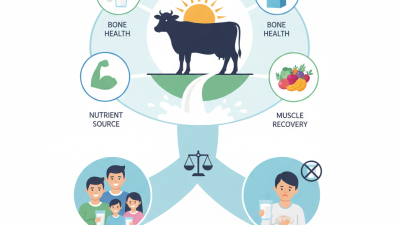
Despite its appealing taste, some consumers are cautious due to health concerns.
Milk remains a classic dairy product. Many enjoy it in its pure form, while others incorporate it into smoothies or coffee.
However, lactose intolerance affects a significant percentage of the global population.
This raises questions about the accessibility and inclusivity of traditional dairy products.
As habits shift, more plant-based alternatives are emerging in the market, highlighting a growing trend in consumer choices.
Key Nutritional Benefits of Dairy Products for Health and Well-Being
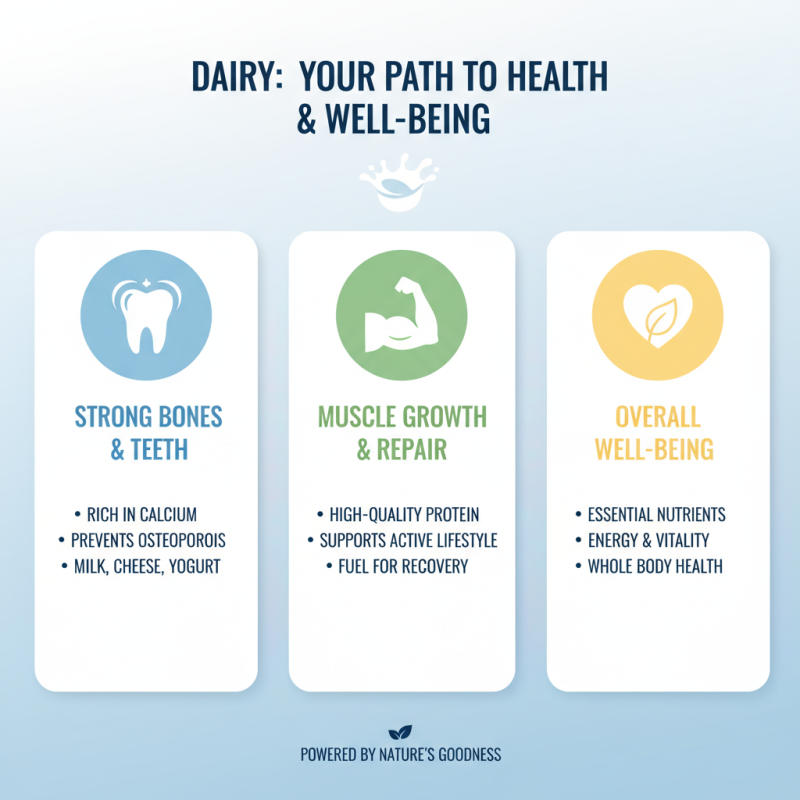
Dairy products offer a wealth of nutritional benefits that enhance health and well-being. Milk, cheese, and yogurt are potent sources of calcium. This essential mineral is crucial for strong bones and teeth. Regular dairy consumption can help prevent osteoporosis in later years. Moreover, dairy is rich in high-quality protein. Proteins support muscle growth and repair, making them essential for active individuals.
Fermented dairy options, like yogurt, provide probiotics. These beneficial bacteria improve gut health. A balanced gut can strengthen the immune system and enhance digestion. However, some may experience lactose intolerance. This condition complicates the consumption of traditional dairy. Alternatives like lactose-free milk are available, yet the nutritional profile changes.
Despite their benefits, dairy products can be high in saturated fats. This might pose heart health risks if consumed excessively. Striking a balance is crucial for overall wellness. Incorporating a variety of dairy foods into your diet can maximize nutritional benefits while minimizing potential drawbacks. Diversity in consumption is essential to address individual dietary needs and preferences.
Market Trends in Dairy Consumption: Statistics and Insights from 2023
Dairy consumption patterns are evolving globally, shaped by changing consumer preferences. In 2023, there is a noticeable shift towards health-conscious choices. More buyers are opting for low-fat and organic dairy products. The demand for plant-based alternatives is also rising sharply. These trends reflect a broader awareness of health and sustainability among consumers.
Statistics indicate that dairy consumption is not uniform worldwide. In developed countries, per capita dairy intake remains high. In contrast, developing regions show a different trajectory. There, traditional dairy consumption is often lower but growing. This growth is driven by rising incomes and urbanization. Consumers are now more aware of the nutritional benefits of dairy. They recognize its role in a balanced diet.
However, there are challenges ahead. Some consumers question lactose tolerance, which influences their dairy choices. Others have concerns about the environmental impact of dairy farming. These factors highlight the complexity of the dairy market. Global buyers must navigate these preferences thoughtfully. Awareness of these insights can guide better decision-making in dairy procurement.
Regional Preferences in Dairy: A Comparison of Global Markets
Dairy preferences vary significantly across regions. In Europe, creamy cheeses and yogurt hold a special place in daily diets. Consumers in France and Italy often choose artisanal products, demonstrating a deep appreciation for traditional methods. Meanwhile, Northern Europe favors high-protein cheeses and buttermilk, essential for their robust dietary needs.
In contrast, the Asian market displays a different attitude towards dairy. Many cultures traditionally consume little dairy due to lactose intolerance. However, recent trends show a growing interest in yogurt drinks and low-lactose products. Manufacturers are exploring ways to cater to these unique preferences. There’s an emerging market for fortified dairy options, appealing to health-conscious consumers.
Each region's specific tastes reveal much about local cultures. The significance of dairy in meals can vary widely. Some regions have a strong inclination toward sweetened dairy or flavored options. Others maintain a preference for plain products. Understanding these nuances is vital for global suppliers aiming to succeed in diverse markets.
What is the Best Dairy Foods for Global Buyers? - Regional Preferences in Dairy: A Comparison of Global Markets
| Region | Popular Dairy Products | Consumer Preference (%) | Growth Rate (Annual %) |
|---|---|---|---|
| North America | Cheese, Yogurt | 35% | 3% |
| Europe | Milk, Cheese | 40% | 2% |
| Asia-Pacific | Yogurt, Cheese | 30% | 5% |
| Latin America | Milk, Queso Fresco | 28% | 4% |
| Middle East & Africa | Yogurt, Cheese | 25% | 6% |
Sustainability Practices in the Dairy Industry: A Buyer’s Perspective
Sustainability in the dairy industry is becoming increasingly crucial for global buyers. Many consumers are more aware of the environmental impacts of dairy farming. They seek products that align with their values, promoting eco-friendly practices. These buyers demand transparency regarding the methods used in production. Sustainable dairy farms focus on reducing waste, managing resources wisely, and improving animal welfare.
Implementing sustainability practices can be complex. Some farms may struggle with the initial costs of adopting green technologies. Others might find certification processes challenging. Yet, buyers appreciate efforts to improve practices. Strategies include using renewable energy sources, enhancing soil health, and minimizing water usage. Each small step contributes to a larger goal of environmental stewardship.
Buyers should also consider local sourcing. Supporting nearby farms can reduce carbon footprints tied to transportation. Understanding the entire supply chain fosters meaningful connections with producers. As the dairy industry evolves, buyers play a significant role in pushing for positive change. Their choices can encourage farms to rethink their practices, ultimately leading to a more sustainable future.
Best Dairy Foods for Global Buyers: Sustainability Practices
Related Posts
-
What is Cow Milk and Its Health Benefits for Your Diet?
-
2026 Best Fresh Milk Options for Health and Taste?
-

Why Choose Plant Butter for Your Cooking Needs?
-

2026 Best Dairy Free Butter Options for Health Conscious Consumers?
-

What Are the Health Benefits of Grass Fed Raw Milk?
-

Top Benefits of Fresh Milk for Health and Wellness?