10 Best Herb Breadcrumbs for Wholesale Buyers?
Wholesale demand for Herb Breadcrumbs is moving beyond simple coating mixes. Buyers now examine flavor consistency, particle size, moisture control, packaging strength, and supplier reliability. Grand View Research reports continued growth in the global herbs and spices market, supported by convenience foods and stronger interest in recognizable ingredients. Innova Market Insights also identifies texture, clean-label positioning, and practical meal solutions as important food development trends. These signals matter for distributors. A colorful pouch means little if the crumbs soften during transport.
Harold McGee, a respected food-science writer, describes cooking as “the transformation of food.” That idea applies directly to Herb Breadcrumbs. Parsley, oregano, garlic, and pepper must survive processing while still releasing a clear aroma in the finished dish. Wholesale buyers should request batch samples, allergen statements, microbiological specifications, and shelf-life evidence. They should also compare minimum order quantities, case dimensions, private-label options, and delivery performance. Small details become expensive at scale.
Not every attractive blend deserves a listing. Some products smell impressive at opening but fade after baking. Others look rustic yet produce uneven coverage. That is the uncomfortable part. Reliable purchasing requires testing, records, and occasional doubt. This guide examines 10 Best Herb Breadcrumbs for Wholesale Buyers, focusing on commercial value rather than clever packaging alone. The strongest choices should deliver repeatable taste, stable handling, transparent documentation, and sensible margins. Mistakes still happen. Good sourcing systems make them less costly.
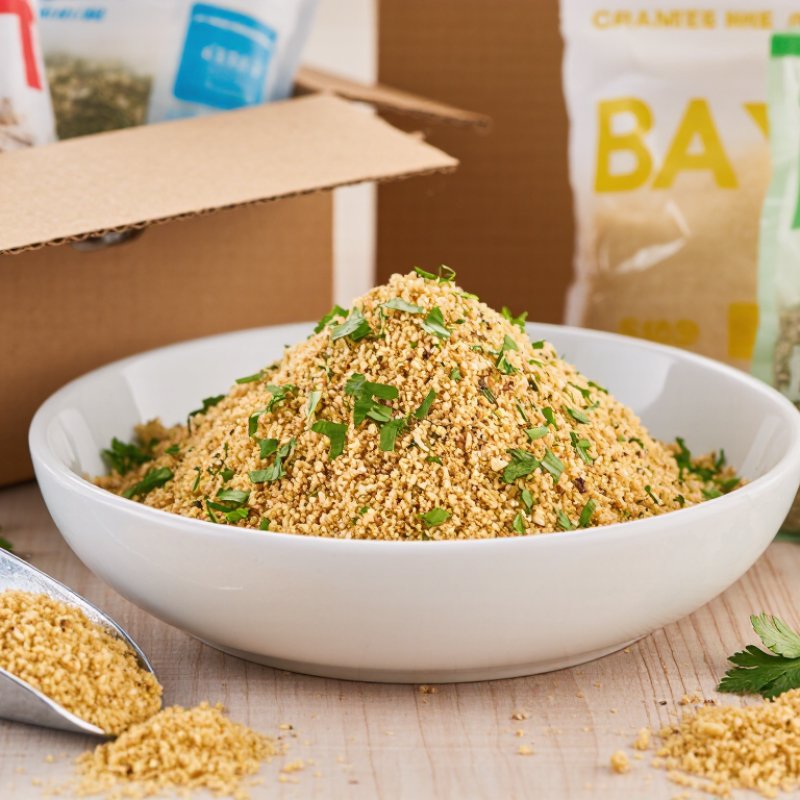
What Herb Breadcrumbs Are and Why Wholesale Buyers Need Them
10 Best Herb Breadcrumbs for Wholesale Buyers?
Herb breadcrumbs are dried bread particles blended with culinary herbs, salt, spices, and sometimes dehydrated vegetables. They add a crisp surface, savory aroma, and visual texture to chicken, seafood, vegetables, pasta bakes, and prepared meals. Wholesale buyers need more than flavor. They need repeatable particle size, stable moisture, clear allergen controls, and dependable supply.
Consistency matters.
The FAO’s State of Food and Agriculture report estimates that 14% of food is lost between harvest and retail. Properly dried breadcrumb products can support longer storage and more predictable kitchen portions, although they cannot solve poor warehouse practices. The 2024 UNEP Food Waste Index Report estimates that 1.05 billion tonnes of food were wasted in 2022. This makes portion control and practical packaging increasingly important for foodservice operators.
A strong wholesale specification should state herb percentages, crumb size, moisture limits, packaging weight, shelf life, and microbial testing requirements. Buyers should request a certificate of analysis and test the product in the final recipe. A crumb that looks attractive in a sample may soften quickly during service. That detail is easy to miss. Storage trials should include warm kitchens, opened bags, and repeated handling. Industry market analyses also identify convenience foods and foodservice applications as major demand areas, but volume forecasts do not replace sensory checks. The best selection balances aroma, crunch, cost, and operational reliability.

10 Best Herb Breadcrumbs for Wholesale Buyers
What Herb Breadcrumbs Are and Why Wholesale Buyers Need Them
| No. | Herb Breadcrumb Style | Typical Herb Profile | Common Ingredient Composition | Particle Size | Typical Color | Best Wholesale Applications | Typical Shelf Life* | Key Buying Considerations |
|---|---|---|---|---|---|---|---|---|
| 1 | Italian Herb Breadcrumbs | Parsley, oregano, basil, and thyme; balanced savory aroma. | Dried wheat breadcrumbs, parsley, oregano, basil, thyme, salt, and mild seasoning. | Fine to medium | Golden beige with green flecks | Breaded chicken, fish, vegetables, meatballs, stuffed pasta, and foodservice toppings. | 9–12 months | A versatile core SKU; confirm herb visibility, sodium level, and wheat allergen labeling. |
| 2 | Parsley and Garlic Breadcrumbs | Bright parsley notes with noticeable roasted or dried garlic flavor. | Wheat breadcrumbs, dried parsley, garlic powder, salt, onion powder, and spices. | Fine to medium | Light golden with green flecks | Chicken cutlets, seafood, stuffed mushrooms, pasta bakes, and savory coatings. | 9–12 months | Useful for ready-to-cook products; check garlic intensity, moisture control, and clumping resistance. |
| 3 | Basil Herb Breadcrumbs | Sweet, slightly peppery basil character with a mild Mediterranean finish. | Breadcrumbs, dried basil, parsley, garlic, salt, and selected spices. | Medium | Golden beige with green herb pieces | Mozzarella sticks, tomato-based dishes, chicken, eggplant, and pasta products. | 9–12 months | Suitable for premium flavor positioning; evaluate basil aroma retention and color stability. |
| 4 | Oregano Herb Breadcrumbs | Robust, earthy, and slightly peppery oregano flavor. | Wheat breadcrumbs, oregano, parsley, garlic, salt, and dried spices. | Medium | Tan with olive-green flecks | Pizza toppings, breaded cheese, meatballs, poultry, Mediterranean vegetables, and casseroles. | 9–12 months | Best for bold applications; request a sample to verify oregano strength and bitterness. |
| 5 | Rosemary Herb Breadcrumbs | Pine-like, woody, and aromatic rosemary profile. | Breadcrumbs, rosemary, parsley, garlic, salt, and complementary spices. | Medium to coarse | Golden brown with dark green pieces | Lamb, poultry, roasted vegetables, potato products, pork, and specialty coatings. | 9–12 months | Check rosemary cut size to prevent an overly coarse bite and confirm even distribution. |
| 6 | Thyme Herb Breadcrumbs | Subtle earthy, minty, and lemon-like thyme notes. | Breadcrumbs, dried thyme, parsley, garlic, salt, and mild spices. | Fine to medium | Pale golden with fine green flecks | Fish, poultry, mushrooms, vegetable patties, soups, and savory fillings. | 9–12 months | A mild profile for broad consumer appeal; assess aroma after cooking and coating adhesion. |
| 7 | Sage Herb Breadcrumbs | Earthy, savory, and slightly peppery sage flavor. | Wheat breadcrumbs, dried sage, parsley, onion, garlic, salt, and spices. | Medium | Golden beige with gray-green flecks | Stuffing mixes, pork products, poultry, sausage fillings, squash, and seasonal prepared foods. | 9–12 months | Confirm sage dosage because its flavor can dominate; suitable for autumn and savory meal applications. |
| 8 | Dill Herb Breadcrumbs | Fresh, grassy, and mildly anise-like dill character. | Breadcrumbs, dried dill, parsley, onion, garlic, salt, and selected spices. | Fine to medium | Light golden with bright green flecks | Fish cakes, seafood coatings, potato products, vegetable fritters, and chilled prepared foods. | 9–12 months | Niche but distinctive profile; verify dill color, aroma retention, and compatibility with seafood recipes. |
| 9 | Lemon Herb Breadcrumbs | Citrusy lemon notes combined with parsley, thyme, or oregano. | Breadcrumbs, dried herbs, lemon peel or natural lemon flavor, garlic, salt, and spices. | Fine to medium | Pale golden with green and occasional yellow flecks | Fish, shrimp, chicken, vegetables, baked pasta, and premium refrigerated meals. | 9–12 months | Review citrus labeling, flavor stability, and acidity; strong option for differentiated product lines. |
| 10 | Mediterranean Mixed Herb Breadcrumbs | Layered blend of oregano, basil, rosemary, thyme, and parsley. | Breadcrumbs, mixed dried herbs, garlic, onion, salt, pepper, and savory spices. | Medium to coarse | Golden brown with visible green herb pieces | Breaded proteins, vegetable products, stuffed foods, baked dishes, and restaurant meal kits. | 9–12 months | Good for premium visual appeal; assess blend uniformity, dust level, and performance during frying or baking. |
Key Quality Criteria for Selecting Herb Breadcrumbs
Wholesale buyers should judge herb breadcrumbs by measurable quality, not attractive seasoning claims. Crumb size affects coating coverage, fryer performance, and portion control. Uniform particles create a more even golden surface. Texture matters.
Check moisture content and water activity before approving a large order. Excess moisture can cause clumping, stale aromas, and shorter shelf life. Inspect the herbs for clear color, fresh fragrance, and even distribution. Dull green flakes may indicate age, heat exposure, or poor storage. A small sample should be tested in the exact recipe used by your kitchen or production line.
Reliable suppliers should provide batch identification, ingredient specifications, allergen information, and current microbiological documentation. Ask whether the breadcrumbs are produced in a controlled facility with documented sanitation procedures. Packaging should resist humidity and survive pallet handling without crushed corners. For wholesale storage, confirm the stated shelf life under realistic warehouse conditions, not just ideal temperatures. Keep samples.
In my experience, a product can pass a specification sheet yet perform poorly during high-volume coating. One trial showed good adhesion but an overly salty finish after frying. That detail was easy to miss during a dry tasting. Buyers should compare several batches, record cooking results, and review complaints by lot. No supplier sheet tells the whole story. Cost per case also needs context: uneven crumbs, excess dust, or weak packaging can quietly increase production waste.
10 Best Herb Breadcrumb Varieties for Wholesale Purchasing
Wholesale buyers need herb breadcrumb varieties that perform consistently, not merely attractive labels. Grand View Research estimated the global herbs and spices market at over USD 10 billion in 2022, with continued growth expected through 2030. That growth supports broader seasoning choices, but purchasing decisions still depend on yield, aroma, particle size, and moisture control.
The 10 strongest varieties for wholesale purchasing are Italian, garlic-parsley, rosemary, oregano, basil, thyme, dill, sage, chili-herb, and lemon-herb breadcrumbs. Italian suits pasta bakes and coated vegetables. Garlic-parsley works well with seafood and poultry. Rosemary and oregano deliver stronger Mediterranean character. Basil fits tomato-based dishes, while thyme and sage support richer recipes. Dill adds freshness to fish and potatoes. Chili-herb creates heat, though some customers may reject it. Lemon-herb provides brightness but can lose aroma during storage.
Tips: Request samples from different production lots. Check crumbs between your fingers; excessive dust can reduce coating yield. Moisture changes everything. ASTM-based moisture testing and HACCP documentation can strengthen supplier evaluation. Industry food-loss research, including FAO supply-chain reports, shows that storage conditions strongly influence food quality and waste. Use sealed, food-grade bags and record opening dates. Shelf-life estimates are useful, but they are not promises. In my experience, rosemary particles sometimes dominate a blend unexpectedly. That detail deserves correction, not concealment. Test before ordering.
10 Best Herb Breadcrumb Varieties for Wholesale Purchasing
The chart uses a practical 1–5 wholesale suitability score based on broad foodservice considerations: application versatility, flavor familiarity, storage practicality, and menu demand. Italian, garlic, parsley, and seasoned breadcrumb varieties are generally strong all-purpose choices, while specialty blends are better suited to targeted product lines. Actual specifications, pricing, shelf life, and minimum order quantities should be confirmed with each supplier.
Comparing Flavor, Texture, Packaging, and Shelf Life
10 Best Herb Breadcrumbs for Wholesale Buyers?
Wholesale buyers should compare flavor before price. A balanced blend should taste herbal, not dusty or bitter. Parsley, oregano, basil, and garlic need clear separation. Overly strong seasoning can hide stale crumbs. Texture tells the truth. Fine crumbs coat evenly, while medium crumbs create a visible, crisp crust. Ask for a sieve report or test a small batch in the intended recipe. Taste it warm, because frying can intensify salt and herbs.
Packaging affects both handling and freshness. Multi-wall bags with food-safe inner liners resist moisture during transport. Smaller sealed units may reduce waste, but they can increase packaging cost. Check the seal, lot code, production date, and case strength. A crushed carton is a warning, even when the product looks acceptable. Keep samples from every delivery. This simple habit helps compare flavor changes across lots.
Shelf life should be supported by real-time data, not only a printed date. Confirm storage conditions, water activity, microbiological controls, and oxidation testing with the supplier. Cool, dry storage usually protects aroma and crunch better than a warm warehouse. I would not trust a long shelf-life claim without reviewing its test method. No scorecard is perfect. A product may win on texture but fail in a humid kitchen. Run a small production trial, record the results, and leave room to revise the specification.
Wholesale Buying Factors: Pricing, Storage, and Supplier Reliability
10 Best Herb Breadcrumbs for Wholesale Buyers
Wholesale Buying Factors: Pricing, Storage, and Supplier Reliability
The ten best herb breadcrumbs are not always the cheapest products. Wholesale buyers should compare price per usable kilogram, not just the quoted case price. A blend with excessive dust can increase waste during coating and filling. Request a sample before ordering pallets. Check crumb size, herb distribution, salt level, color, and aroma after baking. A simple yield test can reveal more than a sales sheet.
Pricing needs careful review. Ask whether freight, packaging, testing, and pallet fees are included. A low quote once looked attractive in a purchasing review, but inconsistent crumb size created production delays. That lesson still matters. Use a written specification, and compare at least three offers under the same delivery terms. Small savings can disappear quickly.
Storage protects both flavor and margin. Keep cartons sealed, off the floor, and away from steam, sunlight, and strong odors. A cool, dry room near 15–20°C is practical for many facilities. Use lot codes and follow first-in, first-out rotation. Suppliers should provide clear shelf-life guidance, ingredient details, allergen statements, and batch documentation. Reliability also means answering quality complaints quickly. Request a retained sample from each lot when possible. It may seem excessive, but memory is not a quality system.
