Why Choose Plant Butter for Your Cooking Needs?
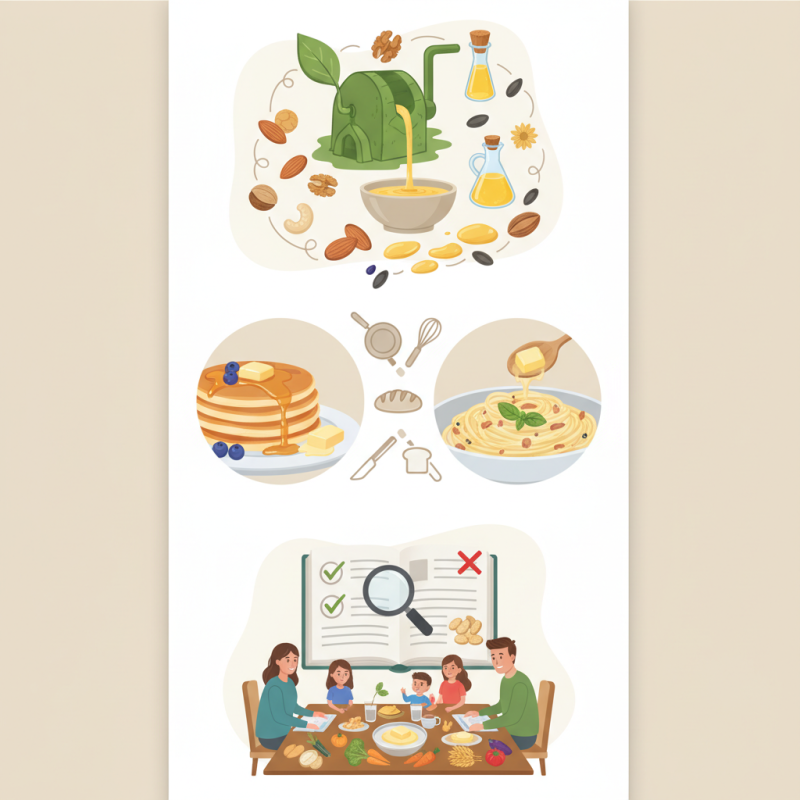
Are you looking for a healthier alternative to traditional butter? Plant butter might be the answer. This innovative spread is made from a blend of oils, nuts, and other plant-based ingredients. It offers the same creamy texture and flavor but is often lower in saturated fat.
Using plant butter can elevate your cooking. It’s versatile and can be used in baking, sautéing, or as a spread. Imagine fluffy pancakes or rich pasta dishes enhanced by this dairy-free option. However, not all plant butters are created equal. Some brands can be overly processed or high in additives.
Choosing the right plant butter requires mindfulness. It’s essential to read labels and understand ingredients. In a world increasingly aware of health and sustainability, plant butter emerges as a thoughtful choice. Think about what you put on your table. Is it truly nourishing? Plant butter supports an intentional culinary experience.
Benefits of Plant Butter Over Traditional Dairy Butter in Cooking
Plant butter has gained popularity in the kitchen for a good reason. It offers numerous benefits over traditional dairy butter. For those looking to reduce dairy intake, plant butter serves as an excellent alternative. It is often made from oils like coconut or avocado, providing a rich texture. The flavor can be just as delightful, creating creamy sauces and fluffy baked goods.
When cooking, plant butter may offer health benefits as well. Many varieties are lower in saturated fats and contain no cholesterol. This can be appealing for anyone mindful of their heart health. Plant butter is also often enriched with vitamins and nutrients, making it a better choice for overall well-being.
Tips: Experiment with plant butter in your recipes. It works well in cookies and pastries. Start by substituting half the amount of dairy butter with plant butter. Keep an eye on the baking time; it might vary. Remember, not all plant butters are the same. Some have stronger flavors, so taste-testing is key. Embrace imperfections and adjust to find your personal preference in flavor and texture.
Nutritional Comparison: Plant Butter vs. Dairy Butter Ingredients
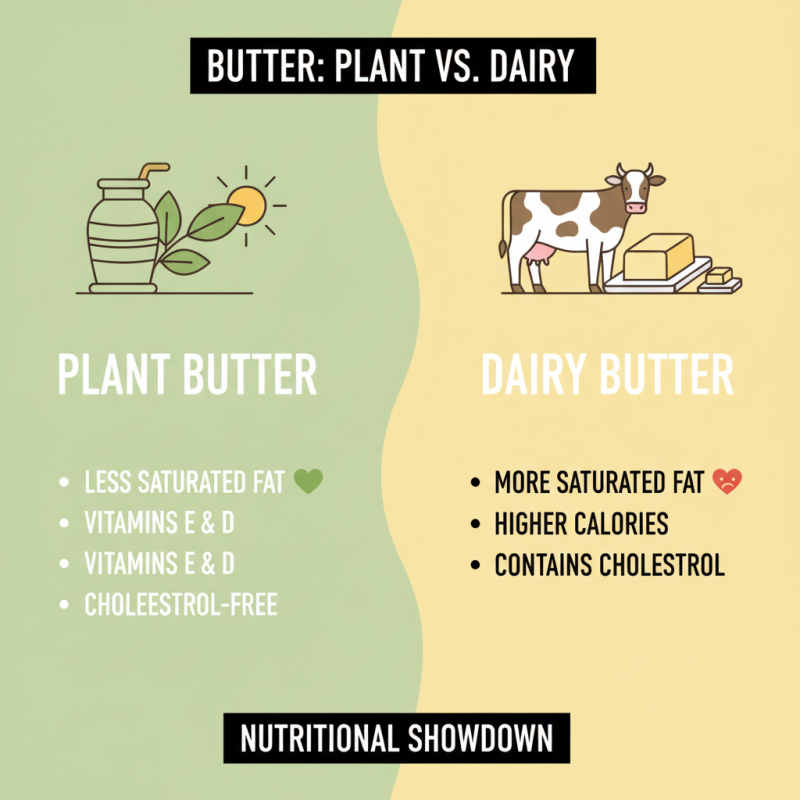
When considering plant butter versus traditional dairy butter, the nutritional differences can be significant. Plant butter often contains fewer saturated fats. This can be a healthier choice for heart health. Additionally, many plant butter products include vitamins like E and D, which are beneficial. Dairy butter, while tasty, frequently packs more calories and cholesterol.
Here’s a tip: When cooking, try mixing plant butter with olive oil. This combination can enhance flavors and improve the texture of your dishes. Also, read ingredient labels. Some plant butters may contain additives or preservatives. Choose the ones that are as close to whole food as possible.
Plant butter can also be a friend to those with dairy allergies or lactose intolerance. It offers versatility in the kitchen. Baking with plant butter can yield delicious results. Experimenting is key. However, some recipes might not translate perfectly, leaving room for improvement. Don't hesitate to adapt and tweak, finding what works best for you.
Environmental Impact: Sustainability of Plant-Based Fats
Choosing plant butter for cooking brings many benefits, especially regarding environmental impact. Unlike traditional dairy butter, which requires large amounts of resources, plant-based fats often demand less water and land. For instance, almond and coconut production can be less taxing on the environment, but they come with their own issues. The sustainability of these crops can vary significantly based on farming practices.
Additionally, plant-based fats can reduce greenhouse gas emissions. Studies show that livestock farming is a leading cause of climate change. Transitioning to plant butter can help lower our carbon footprints. However, it’s vital to scrutinize the farming methods used for these crops. Unsustainable practices can lead to deforestation and biodiversity loss.
When we switch to plant butter, we embrace a more sustainable lifestyle. Yet, we must remain aware of the entire production chain. It is crucial to consider how our choices impact the planet. Sometimes, the lure of convenience overshadows these important factors. Being mindful of sourcing is key to making environmentally friendly decisions.
Environmental Impact: Sustainability of Plant-Based Fats
This chart illustrates the CO2 emissions associated with various plant-based fats. As shown, olive oil has the lowest emissions, making it a more sustainable choice compared to others like coconut and palm oil.
Culinary Versatility: Cooking Techniques with Plant Butter
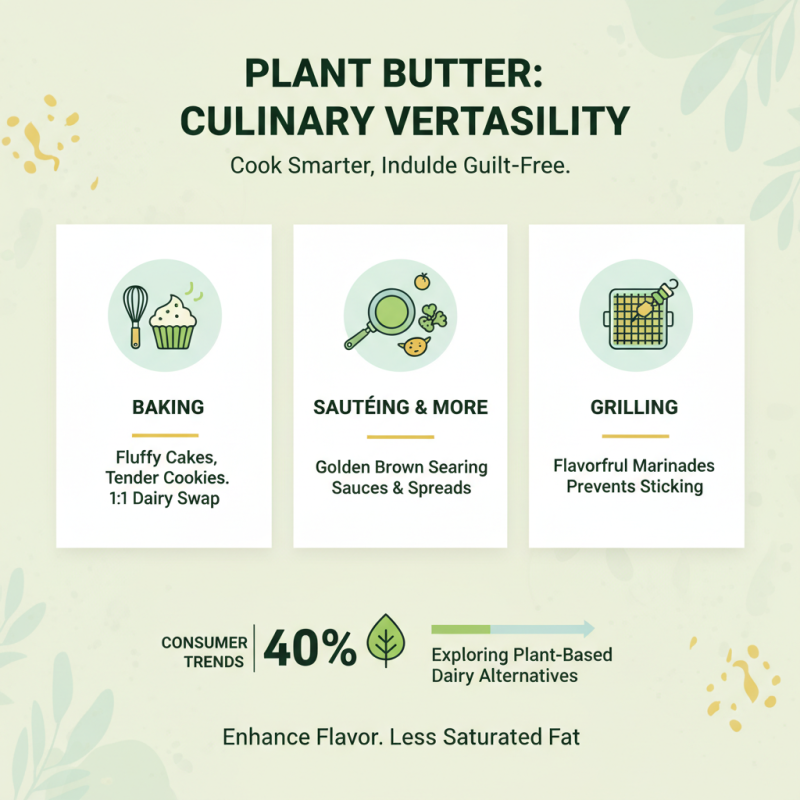
Plant butter offers excellent culinary versatility in cooking techniques. It's suitable for baking, sautéing, and even grilling. According to industry reports, nearly 40% of consumers are now exploring plant-based alternatives to traditional dairy. The flexibility of plant butter makes it an appealing choice for various dishes. It can enhance flavor without the saturated fat found in animal products.
When sautéing vegetables, plant butter can add depth. It melts smoothly, coating vegetables evenly. This technique helps develop richer flavors. In baking, plant butter substitutes easily for dairy butter. Cookies, cakes, and pastries can achieve similar textures. Research suggests that plant-based baking goods have a growing market, with anticipated growth rates of 12% annually.
Despite its benefits, some culinary enthusiasts might find plant butter challenging. Not all brands perform the same. The water content can vary, affecting results. Home cooks may need to experiment to achieve desired outcomes. It’s important to reflect on these nuances while embracing plant butter's potential. Adjusting cooking times or ingredient ratios can yield better results.
Market Trends: Consumer Preferences for Plant-Based Cooking Fats
In recent years, more consumers are shifting towards plant-based cooking fats. This trend reflects a growing awareness of health and environmental issues. Many people appreciate the versatility of plant butter. It can be used in a variety of dishes, from baked goods to sautéed vegetables. Plant butter often contains healthy fats that can enhance a dish's flavor and texture.
When choosing plant butter, consider reading the ingredient list. Not all plant-based fats are created equal. Some may contain additives that are less desirable. Aim for options with simple, recognizable ingredients for the best cooking experience. Pay attention to how the butter performs at different temperatures. Some may not melt or blend the same way as traditional butter.
Tip: Try blending plant butter with spices or herbs for an added flavor boost. Using it in a creamy pasta dish can completely change the flavor profile. Remember, not every brand will meet your expectations. Experiment and see what works for your cooking style. Cooking should be about exploration and enjoyment, even if it means some dishes don’t turn out as planned.
Related Posts
-
Top Benefits of Fresh Milk for Health and Wellness?
-
2026 Top Plant Butter Brands and Their Health Benefits
-

Top 10 Uses for Bulk Butter in Cooking and Baking?
-
Top 10 Ways to Enjoy Fresh Milk in Your Daily Diet?
-
How to Choose the Best Cow Milk for Your Health and Lifestyle Needs
-
2026 Top Benefits of Grass Fed Butter for Your Health and Diet?