What Are the Essential Milk Ingredients You Should Know?
The importance of understanding milk ingredients cannot be understated. As the dairy market continues to grow, consumers are more curious about what they are consuming. According to a report by the Dairy Research Institute, the global demand for dairy products is projected to increase by 25% by 2030. This surge emphasizes the need for transparency in food labeling, especially regarding milk ingredients.
Dr. Sarah Thompson, a renowned dairy nutritionist, highlights, "Knowing the components of milk is crucial for making informed dietary choices." Her insights reflect a growing trend among consumers toward better nutritional awareness. Milk ingredients, such as proteins, fats, and vitamins, play a significant role in our health. For example, whey protein has gained attention for its muscle-building benefits.
However, many people overlook the differences in milk processing. Not all milk is created equal, and that can lead to confusion. The debate regarding whole versus skim milk illustrates this point. Consumers need clarity on how processing affects nutrition. A transparent approach to milk ingredients will help address these concerns and improve consumer trust.
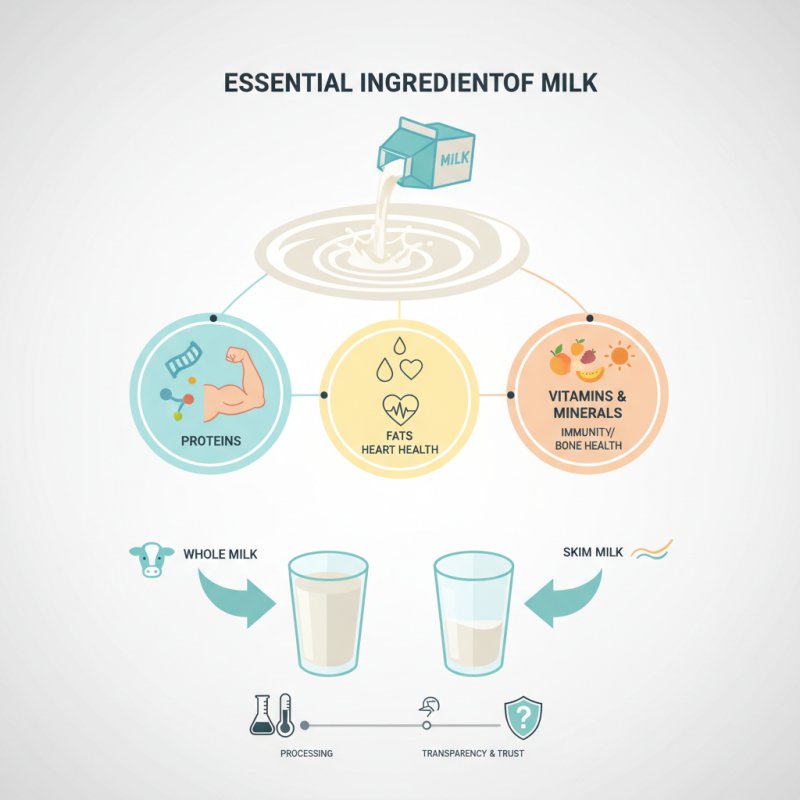
Key Components of Milk: An Overview
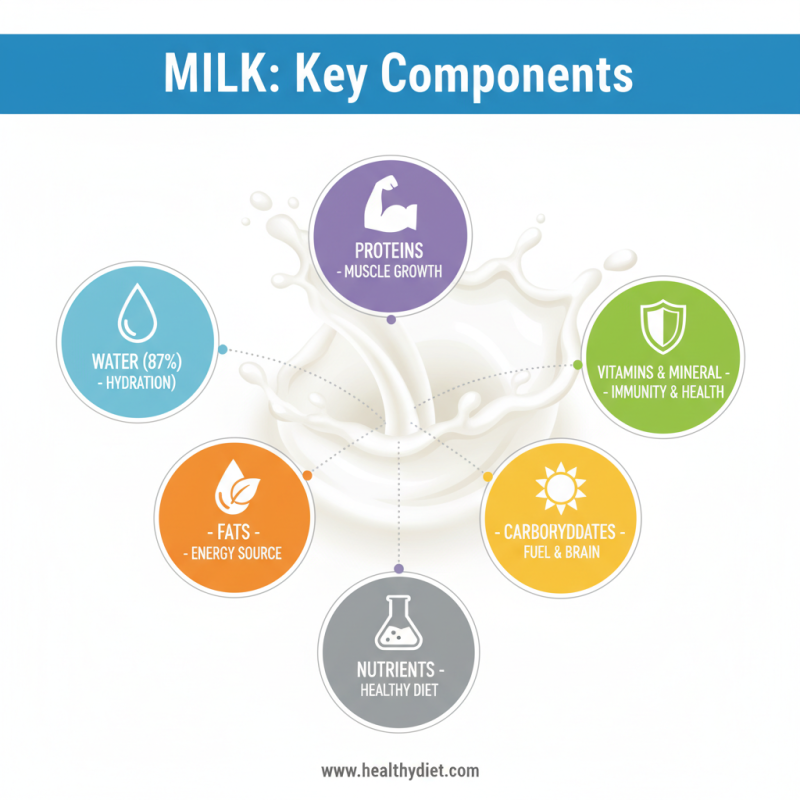
Milk is a complex liquid, rich in essential nutrients. Understanding its key components is vital for a healthy diet. The primary elements include water, proteins, fats, carbohydrates, vitamins, and minerals. Water constitutes about 87% of milk. This high water content hydrates the body effectively.
Proteins in milk, such as casein and whey, play a crucial role. They build and repair tissues. Fats provide energy and help absorb vitamins. However, not everyone digest fats well. Lactose, the sugar found in milk, can be hard for some people to process. This creates challenges for those with lactose intolerance.
Vitamins A, D, B12, and riboflavin are abundant in milk. These facilitate various bodily functions, from maintaining vision to supporting metabolism. Minerals like calcium and potassium strengthen bones and help maintain a healthy blood pressure. Each component has a purpose, yet some may find they cannot enjoy them all. It’s essential to explore alternatives, as nutrients can be sources of discomfort or nourishment.
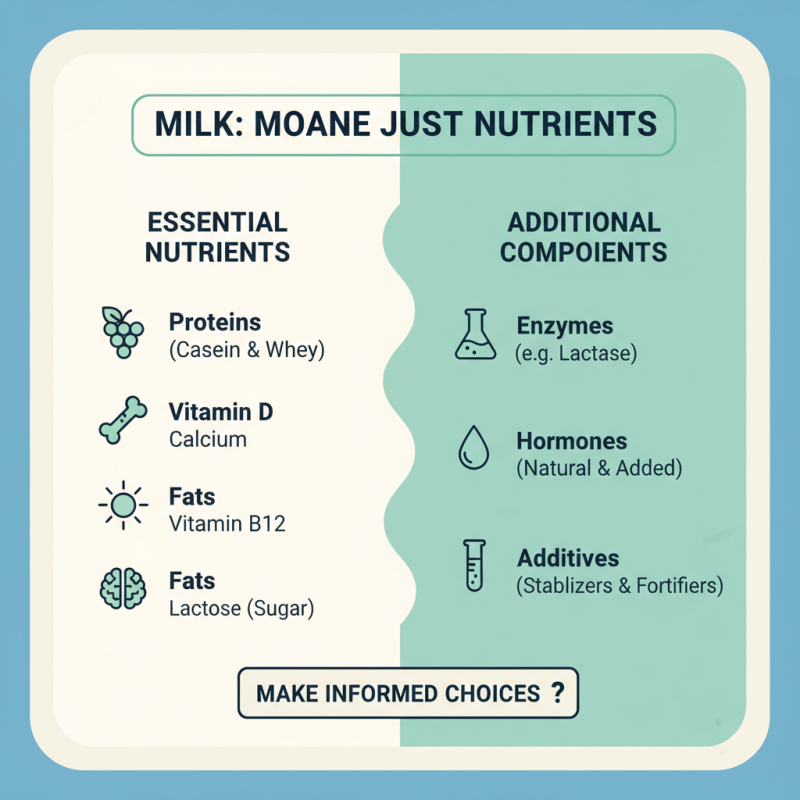
Nutritional Profile: Proteins, Fats, and Carbohydrates
Milk is a rich source of essential nutrients. Understanding its nutritional profile helps in making informed dietary choices. The three primary components of milk are proteins, fats, and carbohydrates.
Proteins in milk, such as casein and whey, are vital for muscle repair and growth. According to the USDA, one cup of whole milk contains approximately 8 grams of protein. However, not everyone can digest milk proteins well. Lactose intolerance affects about 68% of the global population. This condition can lead to discomfort when consuming dairy products.
Fats in milk provide energy and aid nutrient absorption. Whole milk contains about 8 grams of fat per cup, with 5 grams being saturated fat. While some recommend reduced-fat options, saturated fats have been linked to heart disease. More research is needed to fully understand this relationship. Carbohydrates in milk mainly come from lactose, offering about 12 grams per cup. Lactose-free alternatives are available, catering to those with lactose intolerance. Balancing these components according to dietary needs remains a challenge for many.
Vitamins and Minerals Found in Milk
Milk is a powerhouse of essential nutrients that we often overlook. It contains a variety of vitamins and minerals that are crucial for our health. Calcium is the most well-known mineral found in milk. It helps build strong bones and teeth. But milk also provides potassium, which is important for heart health. Potassium plays a vital role in regulating blood pressure.
In addition to minerals, milk is packed with vitamins. Vitamin D is often added to enhance calcium absorption. This vitamin is vital for immune function and bone health. Milk also contains riboflavin, which aids in energy production. However, many people can be lactose intolerant. This means they cannot properly digest lactose, the sugar in milk. This can lead to discomfort.
Despite its benefits, it is essential to reflect on individual dietary needs. Some may choose alternatives due to allergies or lifestyle choices. Exploring other sources of these nutrients is crucial. Each individual should find what works for their body. Remember that balance is key.
The Role of Lactose: Benefits and Lactose Intolerance
Lactose, the sugar found in milk, plays a significant role in our diets. It provides energy and aids in calcium absorption. For many, it is an essential nutrient. However, lactose intolerance can be a hurdle. This condition affects a large portion of the population. Symptoms like bloating and gas can be quite uncomfortable.
If you suspect lactose intolerance, consider lactose-free dairy products. They offer the same nutritional benefits without the distress. Choose hard cheeses or yogurt, which typically have lower lactose levels. Always read labels carefully. Some products still contain small amounts of lactose.
Tips: Start with small servings of dairy. Gradually increase the amount to see how your body reacts. Keep a food diary to track your symptoms. This can help you identify trigger foods. Everyone's tolerance varies, so listen to your body and seek alternatives if necessary.
Additional Ingredients: Enzymes, Hormones, and Additives
Milk is a complex liquid filled with essential nutrients. But it also includes various additional ingredients like enzymes, hormones, and additives. Understanding these components can guide consumers in making informed choices.
Enzymes play a significant role in milk processing. For example, lactase helps break down lactose, making milk digestible for lactose-intolerant individuals. However, not all enzymes are visible on labels. According to the Dairy Research Institute, about 30% of consumers are unaware of enzyme usage in dairy products. This lack of knowledge might lead to uncomfortable reactions for some people.
Hormones, both natural and synthetic, are another topic of concern. Naturally occurring hormones, such as bovine somatotropin, can increase milk production. Yet, opinions vary on their effects on human health. A report by the International Journal of Dairy Science states that consumers express concerns over hormone exposure. Additives, often used for preservation and flavor enhancement, can also raise questions. Data shows that about 25% of shoppers read ingredient labels carefully to avoid unwanted additives. Ensuring transparency in labeling remains a pressing issue for the dairy industry.
Related Posts
-
10 Best Dairy Supplies for Your Farm Needs?
-

How to Choose the Best Cow Milk for Your Health and Lifestyle Needs
-

Top 10 Ways to Enjoy Fresh Milk in Your Daily Diet?
-

How to Use Grassland Salted Butter in Your Cooking?
-

What is Animal Farm Butter and Its Significance in Literature?
-

2026 Best Dairy Free Butter Options for Health Conscious Consumers?