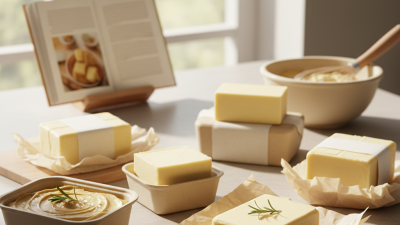
What is European Butter and Why is it Different from Other Butters?
European butter stands out in the culinary world for its rich flavor and unique composition. Made primarily from cream with a higher fat content, it typically contains around 82% butterfat, compared to the 80% found in standard American butter. This elevated fat content contributes to its creamy texture and luxurious taste.
In 2022, a report from the International Dairy Federation highlighted a growing demand for premium dairy products, with European butter leading this trend. Chefs and home cooks alike prefer it for baking and cooking, as it elevates dishes with its exceptional flavor profile. However, despite its popularity, some key differences from other butters can lead to confusion among consumers.
Additionally, the varying regional practices in butter production could affect its availability. This brings to light the ongoing debate about quality versus accessibility. While European butter is praised, it remains critical to reflect on affordability, as not everyone can enjoy this premium product.
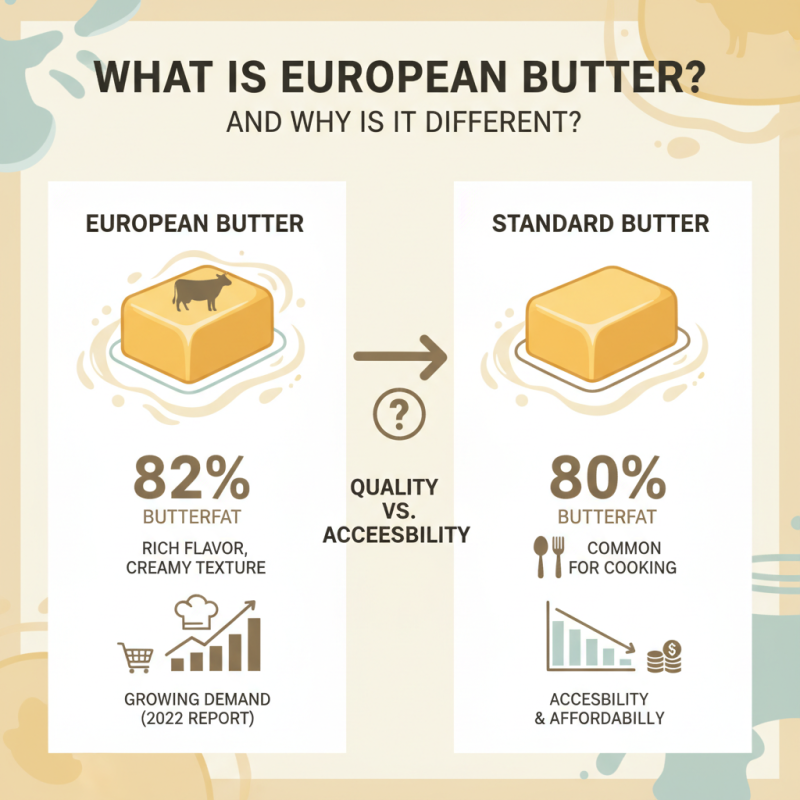
Characteristics of European Butter Compared to Other Butters
European butter stands out for its rich flavor and creamy texture. This type of butter typically contains at least 82% butterfat, which gives it a luxurious mouthfeel. In contrast, many other butters, especially those from North America, often contain around 80% butterfat. This small difference makes a significant impact on taste and culinary applications.
The higher fat content in European butter also contributes to its unique cooking properties. It has a lower water content, which allows for better browning when used in recipes. Pastries and baked goods made with European butter tend to have a flakier and more tender texture. However, this richness can be overwhelming for some palates. Not everyone appreciates the intensity of flavor in European butter; some prefer a milder taste.
Another characteristic is the distinct cultures used in European butters. Many are made with cultured cream, resulting in a slight tanginess. This complexity can enhance various dishes, but not all recipes require such depth. It's essential to consider the dish when choosing butter. Sometimes, simple flavors shine best, and European butter might not be the right fit. Different is not always better, and preferences vary widely among cooks and food lovers.
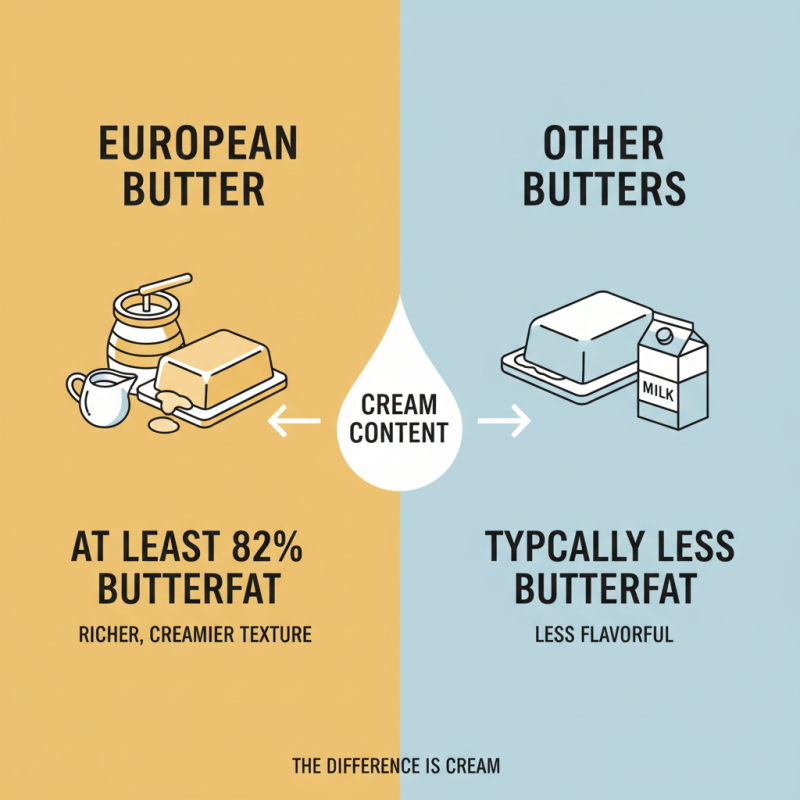
The Role of Cream Content in Defining European Butter
European butter stands out primarily due to its cream content. In Europe, butter typically contains at least 82% butterfat. This higher fat percentage leads to a richer, creamier texture. In contrast, many butters from other regions often contain less fat. This means they can be less flavorful and less satisfying to use in cooking or baking.
The elevated cream content in European butter enhances its culinary versatility. It melts beautifully and adds depth to sauces. When spread on bread, it offers a luxurious mouthfeel. The flavor profile is more pronounced, providing a gentle sweetness. However, not everyone appreciates the intensity. Some may find it overly rich or heavy.
This distinction isn't merely about fat. It's also about tradition and quality. Many producers focus on using high-quality cream. This commitment to quality can make a difference. Yet, it poses challenges. Not every producer maintains the same standards. As a result, some European butters can vary widely in taste and texture. Exploring this diversity can be rewarding but also perplexing.
Popular Varieties of European Butter and Their Unique Flavors
European butter is celebrated for its rich flavor and creamy texture. It often has a higher butterfat content than the average butter, typically around 82% or more. This higher fat percentage results in a more decadent taste. Each region offers unique varieties, contributing to a diverse butter landscape.
French butter, for example, is renowned for its distinct saltiness. It often has a slightly tangy flavor that pairs beautifully with crusty bread. Italian butter tends to be less salty and creamier, perfect for pastries and cooking. Irish butter is another favorite, known for its golden color and slightly sweet taste.
These differences can be subtle yet impactful. The elevation of flavor from region to region invites exploration. While many may find this overwhelming, it opens doors to culinary adventures. Don't hesitate to experiment with various types in your cooking. You might discover a surprising favorite.
Culinary Uses of European Butter in Cooking and Baking
European butter stands out in the culinary world. Its higher fat content makes it richer and creamier than standard butter. This richness is a game-changer in both cooking and baking. Pastries made with European butter are flakier and more flavorful. Sauces become silkier and more decadent.
When cooking, consider using European butter to sauté vegetables. The depth of flavor it adds is remarkable. For baking, try it in shortbread cookies. They will have a melt-in-your-mouth quality. One tip: let the butter soften a bit before using. This helps in achieving a better texture.
Don’t overlook the importance of temperature. Cold butter won't blend well in batters. Room temperature butter leads to a more uniform consistency. Also, remember that a little goes a long way. You don’t need to drown your dish in butter to get the full taste. Enjoy experimenting with it!
Cultural Significance of European Butter in Various Countries
European butter stands out globally, not just for its taste but also for its cultural importance. In countries like France and Italy, butter is more than a cooking ingredient. It symbolizes a lifestyle, rich traditions, and deep-rooted culinary practices.
In the French countryside, artisanal butters are crafted with care. They often feature unique flavors influenced by local dairy farms. This dedication is not merely about food. It reflects the love for quality, tradition, and craft.
In Italy, butter is celebrated too, but with different twists. It often carries bold flavors infused with herbs and spices. Chefs utilize butter to elevate simple dishes. This use showcases the artistry of Italian cuisine, where even the smallest details matter. The respect for butter reflects a connection to the land and the dairy farmers who produce it. It also invites diners to appreciate each bite.
Tips: Try tasting European butter on its own. Notice the differences in flavor and texture. When cooking, let the butter melt before adding other ingredients. This can enhance your dishes. Don’t hesitate to experiment with flavored butters at home. You might find unexpected favorites.
Related Posts
-
2026 Best Dairy Free Butter Options for Health Conscious Consumers?
-
Top 10 Uses for Bulk Butter in Cooking and Baking?
-

What Are the Health Benefits of Grass Fed Raw Milk?
-

How to Choose the Best Lactose Free Food for Your Diet?
-
2026 Top Plant Butter Brands and Their Health Benefits
-

How to Get Milk Delivered to Your Home Easily?