How to Source Fresh Milk for International Buyers?
Sourcing fresh milk for international buyers is not simply a price comparison. It is a cold-chain decision, a food-safety decision, and a supplier-capacity decision. The OECD-FAO Agricultural Outlook 2024–2033 expects global milk production to continue expanding, while demand growth remains strongest in developing markets. Yet production growth does not guarantee export readiness. A farm may produce excellent milk but lack refrigerated loading, traceable records, or reliable port access.
The International Dairy Federation’s World Dairy Situation reports highlight the importance of quality systems, regional production differences, and changing dairy trade flows. Buyers should therefore examine farm collection points, tanker sanitation, laboratory testing, and temperature records before signing contracts. Fresh milk normally requires continuous refrigeration, commonly around 0–4°C, subject to destination rules and product specifications. A broken seal or warm delivery can change the commercial value within hours. Small details matter.
Ask for recent certificates, herd-health records, antibiotic-residue results, and evidence of HACCP-based controls. Verify them independently where possible. Confirm shelf life at dispatch, border clearance procedures, packaging performance, and backup transport plans. The FAO and Codex Alimentarius provide useful food-safety references, but national authorities still control import requirements. That part is easy to underestimate. A polished supplier presentation is not proof of operational reliability. Buyers should test a small shipment, review temperature data, and compare actual arrival quality against the agreed specification. No sourcing model is perfect. Good procurement leaves room for failure, correction, and better evidence.
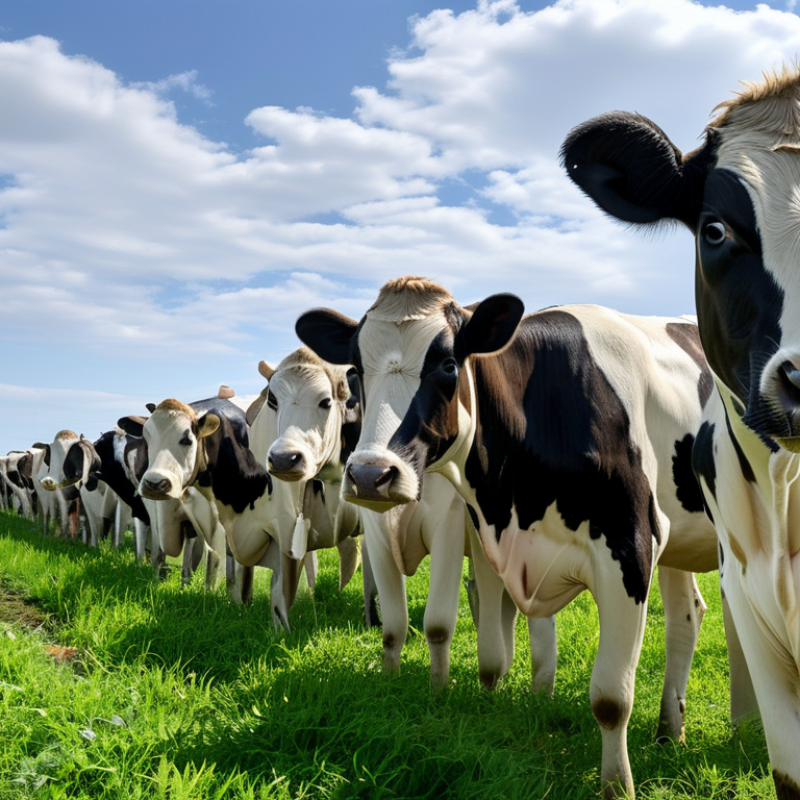
Define Fresh Milk Requirements and International Buying Specifications
Fresh milk sourcing begins with a precise product definition. Decide whether you need raw, pasteurized, or chilled homogenized milk. State fat, protein, lactose, and total solids targets clearly. Also specify the permitted shelf life at arrival, not only at dispatch. A practical purchasing sheet should include temperature, packaging, delivery frequency, and acceptable sensory conditions.
The OECD-FAO Agricultural Outlook 2024-2033 projects global milk production to grow by about 1.6% annually. This expansion does not remove quality risks. Long transport can increase bacterial counts and reduce usable shelf life. Align testing with Codex CXC 57-2004, covering hygienic milk production. Include somatic cell count, total bacterial count, antibiotic-residue screening, and aflatoxin controls. Set sampling methods before signing contracts. ISO 707 can support consistent milk sampling procedures.
Tips: Request three recent laboratory reports from each supplier. Ask for results from different production days. Compare collection temperature with arrival temperature. A 2–4°C requirement is common for chilled milk, but destination rules may differ. Confirm it locally. I would not rely on a single “fresh” claim. It sounds attractive but remains technically vague. Require calibrated temperature records, sealed tankers, and a documented rejection process. Small details matter, especially when the receiving warehouse opens cartons after a long weekend.
Identify Suitable Producing Regions and Qualified Dairy Suppliers
How to Source Fresh Milk for International Buyers?
Selecting a producing region requires more than checking annual milk volume. Buyers should examine climate, feed availability, farm density, and transport access. Regions with moderate temperatures often reduce heat stress in dairy herds. Reliable roads and nearby processing facilities also protect freshness. A two-hour delay can change the product’s quality.
Supplier qualification should combine documents with physical evidence. Request farm registration, veterinary records, milking procedures, and recent laboratory reports. Check bacterial counts, somatic cell counts, antibiotic-residue results, and fat content. Independent audits can confirm whether records match daily operations. Ask to inspect milking rooms, cooling tanks, water sources, and loading areas. Clean stainless steel matters. So does staff training.
Cold-chain planning must begin before the first shipment. Confirm that milk reaches the required temperature quickly after milking. Review refrigerated storage capacity, transport schedules, temperature sensors, and emergency procedures. Traceability should connect each shipment to farms, collection times, test results, and containers. A supplier with a polished presentation may still lack backup transport. That risk is easy to overlook. Buyers should also verify import rules, labeling requirements, health certificates, and permitted testing methods in the destination market. No region is perfect. Seasonal shortages, weather events, and inconsistent farm records can disrupt supply. A smaller supplier may appear less impressive, yet provide clearer traceability and stronger cooperation. Evaluate evidence, not promises.
How to Source Fresh Milk for International Buyers? - Identify Suitable Producing Regions and Qualified Dairy Suppliers
| Producing Region | Production Profile | International Sourcing Suitability | Typical Fresh-Milk Logistics | Supplier Qualification Evidence | Main Buyer Advantages | Key Risks to Check |
|---|---|---|---|---|---|---|
| European Union Especially Ireland, France, Germany, the Netherlands, Denmark and Poland |
Large, diversified dairy sector with extensive farm collection networks, processing capacity and established intra-European dairy trade. | Highly suitable for nearby and regional buyers. Cross-border chilled liquid-milk supply is more practical within Europe than on intercontinental routes. | Insulated tanker or food-grade refrigerated transport; maintain the buyer's specified temperature, commonly 0–4°C, and minimize collection-to-delivery time. | Approval under applicable EU food-hygiene rules; recent laboratory results for bacteria, somatic cell count, residues and composition; HACCP-based controls; traceability from farm collection to delivery. | Strong regulatory framework, broad supplier base, reliable laboratory infrastructure and good access to refrigerated transport. | Seasonal milk-volume changes, varying national requirements, border documentation and the short shelf life of chilled liquid milk. |
| North America United States and Canada |
Large-scale commercial dairy production with advanced bulk collection, testing, processing and cold-chain systems. | Suitable for nearby markets and selected specialized shipments. Long-distance export of ordinary chilled milk is generally less practical than regional supply or shelf-stable products. | Temperature-controlled tanker collection, rapid unloading, validated sanitation procedures and continuous temperature records. | Applicable national or state/provincial dairy approval; Grade A or equivalent compliance where required; producer records; drug-residue testing; sanitation verification; recall and traceability procedures. | High automation, consistent testing capability, strong food-safety documentation and reliable domestic distribution networks. | Import permits, destination-country dairy rules, distance-related shelf-life loss and differences between federal, state and provincial requirements. |
| New Zealand North Island and South Island dairy regions |
Predominantly pasture-based dairy production with strong seasonal patterns and an export-oriented dairy infrastructure. | Suitable for nearby Asia-Pacific buyers when a short, validated route is available. Intercontinental trade commonly favors milk powder, butter or other processed formats rather than chilled liquid milk. | Farm collection by refrigerated tanker, consolidation at approved facilities and carefully scheduled sea or air logistics where chilled liquid milk is commercially viable. | Registration under New Zealand dairy export controls; risk-management programme; animal-health records; residue and microbiological testing; verified temperature and traceability records. | Strong export experience, pasture-based supply and established dairy quality-management systems. | Seasonality, weather-related supply variation, long shipping distances and limited commercial feasibility for ordinary chilled liquid milk. |
| Australia Victoria, Tasmania, South Australia and New South Wales |
Well-developed dairy farms and processing facilities, with production concentrated in the cooler southern states. | Suitable for domestic and nearby regional buyers, particularly where a short refrigerated route and adequate import shelf life are available. | Refrigerated farm collection, approved dairy transport, rapid port or distribution-center transfer and documented temperature control throughout the route. | State or territory dairy licence; food-safety programme; farm and processor traceability; residue controls; laboratory certificates; evidence of export eligibility where applicable. | Established food-safety oversight, export experience and access to Asia-Pacific shipping routes. | Drought and water availability, seasonal production, long distances between farms and ports, and transit-time effects on remaining shelf life. |
| South America Southern Brazil, Argentina, Uruguay and Chile |
Important milk-producing areas with a mixture of pasture-based and mixed feeding systems; production and infrastructure vary considerably by country and region. | Most practical for regional Latin American trade. Supplier selection should focus on processors with proven export procedures and access to dependable refrigerated routes. | Short-haul refrigerated trucking is preferred; longer routes require validated packaging, loading plans, temperature monitoring and shelf-life testing. | National dairy establishment approval; export-health certificate capability; farm-to-batch traceability; independent testing for microbiology, residues and adulteration; documented cold-chain controls. | Competitive sourcing options, regional proximity and access to pasture-based milk supply. | Infrastructure differences, variable farm quality, road conditions, customs procedures and inconsistent supply during adverse weather. |
| East Asia China, Japan and South Korea |
Large consumer markets with modern dairy processors and high demand for documented food safety, although domestic production, import dependence and regulatory conditions differ by country. | More suitable as destination markets than as a single regional sourcing base. Imported chilled milk requires an approved foreign establishment and a highly reliable transport route. | Air or sea refrigerated transport may be used depending on product life; pre-arrival customs coordination and sufficient remaining shelf life are essential. | Destination-country registration or listing where required; import permit; health certificate; bilingual or locally compliant labels; batch testing; temperature records and recall capability. | Strong demand, advanced cold-chain infrastructure and sophisticated quality-control expectations. | Strict import documentation, establishment-listing rules, labeling requirements, port delays and limited remaining shelf life after customs clearance. |
| South Asia India, Pakistan and Bangladesh |
Very large milk-producing region with many smallholder farms and collection points, alongside rapidly expanding organized dairy-processing capacity. | Suitable mainly for domestic or nearby regional procurement. Export buyers should prioritize large, audited processors with controlled collection networks rather than relying on fragmented farm supply. | Rapid chilling after milking, insulated collection tanks, validated transport and strict control of time between farm collection, processing and delivery. | Licensed dairy establishment; documented farmer collection and chilling procedures; routine adulteration screening; antibiotic-residue, microbiological and composition testing; traceability by collection batch. | Large supply base, competitive procurement and access to diverse milk-collection models. | Fragmented production, heat stress, variable chilling infrastructure, adulteration risk and seasonal fluctuations. |
| Middle East and North Africa Gulf states, Türkiye and selected Mediterranean areas |
Production ranges from intensive, climate-controlled dairy farms to smaller mixed systems; many markets supplement domestic supply with imports. | Regional sourcing is possible, but imported fresh milk must be matched to a short route, adequate shelf life and destination-specific import approval. | Continuous refrigeration is critical because of high ambient temperatures; use temperature-monitored vehicles, rapid customs handling and validated unloading procedures. | Import-approved establishment; veterinary or health certificate; HACCP or equivalent food-safety system; heat-treatment records; laboratory results; halal documentation where required by the destination. | Strong demand in major urban markets and concentrated modern retail distribution. | Extreme heat, water scarcity, high energy requirements, port delays and rapid quality deterioration if refrigeration fails. |
| Southern and Eastern Africa South Africa, Kenya and neighboring dairy markets |
Combination of commercial farms, cooperatives and smallholder collection systems; processing and cold-chain capacity differs substantially between markets. | Best suited to domestic and cross-border regional sourcing where transport infrastructure and border procedures are dependable. | Milk must be chilled promptly at collection; use insulated tankers, verified route plans, backup refrigeration and contingency procedures for power or border delays. | Dairy-processing licence; supplier audit; milk-reception testing; evidence of cold-chain performance; residue and pathogen testing; documented traceability and recall procedures. | Potential regional proximity and access to both commercial and cooperative supply networks. | Power interruptions, transport delays, variable collection quality, drought and differences in national regulatory enforcement. |
Verify Farm Standards, Milk Quality, and Supplier Credentials
How to Source Fresh Milk for International Buyers?
International buyers should verify the farm before discussing price or shipment schedules. The OECD-FAO Agricultural Outlook 2024-2033 projects global milk production to approach 1 billion tonnes by 2033. That scale increases choice, but it also makes supplier screening more important.
Request current farm licenses, inspection records, herd health plans, and traceable batch documents. Check whether the farm follows Codex hygiene principles and a recognized food safety system, such as ISO 22000. Ask for independent laboratory results covering bacterial count, somatic cell count, antibiotics, aflatoxin M1, fat, and protein. Fresh milk needs speed. Confirm the time from milking to cooling, transport temperature, and delivery records. In practice, a buyer should see calibrated thermometer logs, not only polished certificates.
Small detail, big difference.
Milk quality can change between production days. Compare results from several recent batches, preferably tested by an accredited laboratory. The International Dairy Federation highlights microbiological control and cold-chain management as central dairy safety practices. Supplier credentials also need direct verification. Contact the issuing authority, inspect the farm remotely or in person, and confirm ownership of the processing site.
A complete document file is reassuring, but not conclusive. I would still begin with a controlled trial shipment, clear rejection limits, and sealed samples retained by both parties.
Mistakes happen, especially when paperwork replaces observation.
Arrange Regulatory Compliance, Cold-Chain Transport, and Import Documents
How to Source Fresh Milk for International Buyers?
Fresh milk sourcing starts with destination-country compliance, not price. Requirements differ by market, so buyers should confirm them with the importing authority. Codex Alimentarius’ Code of Hygienic Practice for Milk and Milk Products, CXC 57-2004, supports controls from farm collection through processing. Suppliers should provide traceability records, approved-facility evidence, laboratory results, and veterinary or health certificates where required. Import documents may include an import permit, commercial invoice, packing list, certificate of origin, and transport temperature records. Missing one document can delay a shipment.
Cold-chain discipline is equally important. Milk should move quickly in sealed, food-grade tanks and remain within the temperature range required by the destination authority and product specification. The FAO’s 2019 food-loss report estimates that 14% of food is lost between harvest and retail. Dairy is especially sensitive to time and temperature abuse. Use calibrated data loggers, verified loading procedures, and a contingency plan for border delays. Refrigerated transport is not automatically reliable.
Tips: Request a sample document pack before signing. Check seal numbers against delivery records. Ask for recent microbial and antibiotic-residue tests. Keep responsibilities written into the purchase contract. A small gap matters.
The OECD-FAO Agricultural Outlook 2024-2033 expects global milk production to continue expanding, but supply growth does not remove compliance risk. In practice, buyers may over-trust supplier assurances. I have found that independent verification is slower, yet safer. Temperature data can also be incomplete. Review it critically, especially after weekends or customs inspections.
How to Source Fresh Milk for International Buyers?
Arrange regulatory compliance, cold-chain transport, and import documents before shipment.
Cold-chain benchmark: EU rules require raw milk to be cooled to no more than 8°C when collected daily, or 6°C when collection is not daily. The U.S. Grade “A” Pasteurized Milk Ordinance uses 7°C or less for pasteurized milk.
Import planning: Buyers should confirm destination-country approval, health certificates, laboratory or residue-test results, commercial invoices, packing lists, transport temperature records, and customs declarations before dispatch.
Temperature limits may differ by destination, product type, and permit conditions. Always verify the importing authority’s current requirements.
Negotiate Contracts, Manage Delivery Risks, and Monitor Quality Performance
International fresh milk buying starts with a contract built around time, temperature, and evidence. Experienced procurement teams define farm approval, collection windows, pasteurization requirements, packaging, shelf life, and import documents. Do not accept “premium quality” as a specification. State limits for bacteria, antibiotic residues, temperature, fat content, and foreign matter, subject to destination rules. Set inspection rights before loading. Keep it measurable. A practical contract also names the testing laboratory, sampling method, payment triggers, and remedies for rejected shipments.
Delivery risk begins before the tanker leaves. Use validated refrigerated equipment, calibrated data loggers, backup power, and route-level temperature alerts. Agree on maximum transit time, port contingency plans, and communication deadlines. If a shipment pauses at customs, the buyer needs a documented decision process, not hopeful phone calls. Cold chains fail. Insurance should match the product’s value and spoilage exposure. I would also require a retained sample from each lot, stored under controlled conditions, for dispute testing.
Quality performance needs a monthly scorecard. Track on-time delivery, temperature excursions, rejected lots, test failures, response time, and corrective-action closure. Review trends with the supplier, then adjust forecasts and collection schedules. One weakness deserves attention: buyers often measure defects but ignore near misses. That hides fragile processes. Audit farms and plants according to risk, while respecting local food laws and worker safety requirements. Independent verification strengthens trust, but it does not replace daily records. When results conflict, pause release, repeat accredited testing, and document every decision.
Related Posts
-
Top 10 Ways to Enjoy Fresh Milk in Your Daily Diet?
-
2026 Top Trends in Milk Cream Products for Delicious Recipes?
-

2026 Top Plant Butter Trends You Need to Know About?
-
Best Practices for Dairy Farming in China What Global Buyers Need to Know
-
How to Choose the Right Dairy Supplies for Your Farm Business?
-
Best Unsalted Butter for Baking Which Brands to Choose?