2026 Top Benefits of Grass Fed Butter for Your Health and Diet?
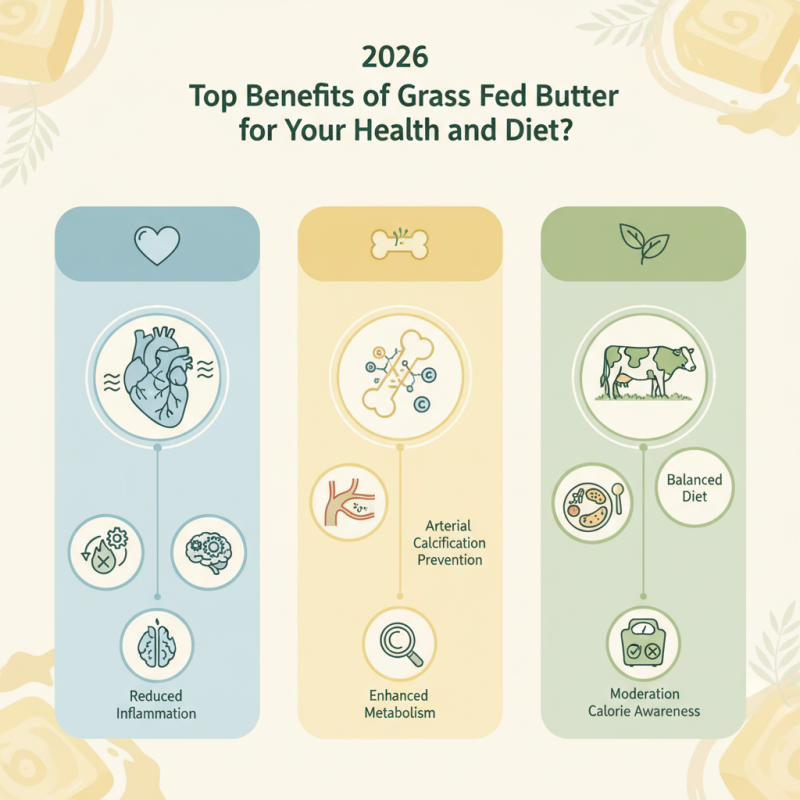
Grass fed butter has gained attention for its potential health benefits. Rich in nutrients, it provides a unique profile compared to conventional butter. According to the American Grassfed Association, grass fed butter contains higher levels of omega-3 fatty acids, which support heart health. These essential fats can reduce inflammation and improve overall well-being.
Moreover, studies indicate that grass fed butter has significantly more vitamin K2, essential for bone and heart health. Vitamin K2 can help prevent arterial calcification and enhance calcium metabolism. However, some may find its distinct flavor unfamiliar or overly rich compared to standard butter.
Consumption of grass fed butter can be a double-edged sword. While it offers health advantages, moderation is key. It is high in calories and saturated fats, which can be a concern for those watching their weight. However, incorporating small amounts into a balanced diet can be beneficial. Emphasizing quality in dietary choices can contribute to long-term health.
Health Benefits of Grass Fed Butter: An Overview
Grass-fed butter is gaining attention for its health benefits. This type of butter comes from cows that eat a diet primarily consisting of grass, which improves its nutritional profile. Research has shown that grass-fed butter contains higher levels of omega-3 fatty acids. These essential fats are known to support heart health and reduce inflammation in the body. A report from the National Institutes of Health notes that omega-3s can lower the risk of chronic diseases.
Moreover, grass-fed butter is richer in vitamins such as A, D, and E. These vitamins play critical roles in immune function and bone health. Studies indicate that vitamin A supports vision and skin health. The presence of butyric acid, a fatty acid found in grass-fed butter, has been linked to gut health. Research suggests that it helps maintain the integrity of the intestinal lining.
However, it is worth reflecting on moderation. Butter, even grass-fed, is still high in saturated fats. Consuming it in excess can lead to increased cholesterol levels. Balancing its consumption with other healthy fats is vital. It’s beneficial to appreciate the advantages while remaining cautious about portions.
Nutritional Composition of Grass Fed Butter Compared to Regular Butter
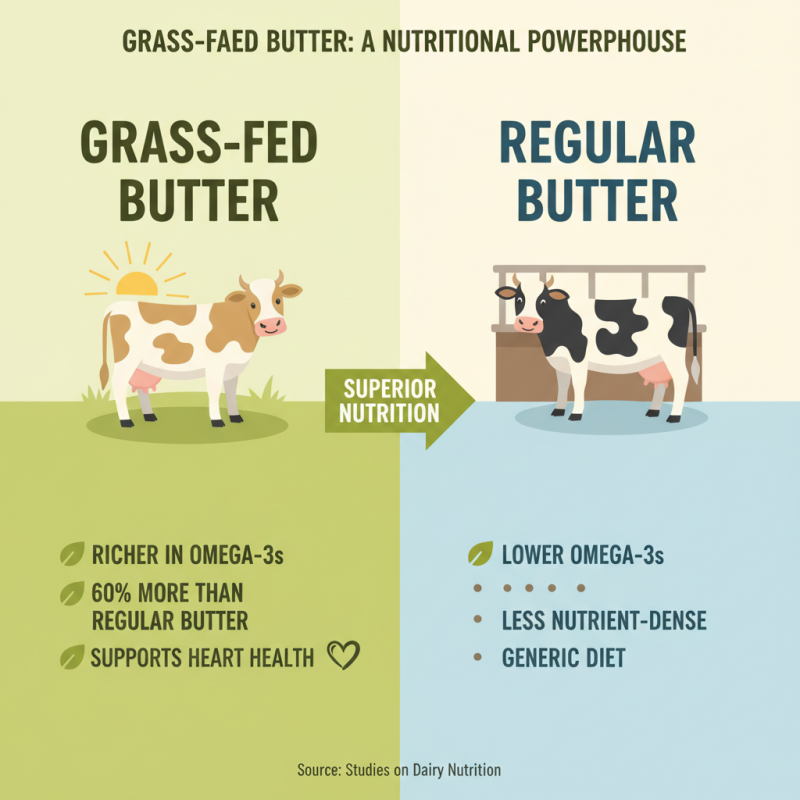
Grass-fed butter has gained attention for its nutritional profile. Studies show it contains higher amounts of beneficial nutrients compared to regular butter. For example, it is richer in omega-3 fatty acids, which are essential for heart health. Grass-fed butter has about 60% more omega-3s than conventional butter. This difference stems from the cows' diet, which consists of grass and forage.
Moreover, grass-fed butter boasts higher levels of vitamins A, D, and K2. Vitamin A is crucial for vision and immune function, while vitamin K2 supports bone and cardiovascular health. A study published in the American Journal of Clinical Nutrition noted that individuals consuming grass-fed products had an increased intake of these important vitamins.
However, not everyone may benefit from switching to grass-fed butter. Some may experience digestive issues due to the higher fat content. Additionally, this butter tends to cost more, which could limit accessibility for some individuals. It's essential to weigh these factors when considering dietary changes. Balancing taste, health benefits, and personal budget plays a crucial role in dietary choices.
Impact of Omega-3 Fatty Acids in Grass Fed Butter on Heart Health
Grass-fed butter is gaining attention for its potential heart health benefits. A crucial component of this is omega-3 fatty acids. These essential fats are vital for cardiovascular health. Research indicates that grass-fed butter contains higher levels of omega-3s compared to conventional butter. Studies suggest that these fatty acids can reduce inflammation and improve cholesterol levels.
Consuming omega-3s may lower the risk of heart disease. A meta-analysis published in the *Journal of Nutrition* states that increased omega-3 intake is linked to reduced cardiovascular events. The primary sources of omega-3s in grass-fed butter come from the diets of grass-fed cows. Their nutrition directly affects the butter's nutrient profile.
Tips: To increase your omega-3 intake, consider incorporating grass-fed butter into your diet. Use it in cooking or spread it on whole-grain bread. Monitor your overall dietary fat types for balanced health. Also, think about the quality of the butter. Not all butter is equal; check for grass-fed labels. Your heart health might thank you.
2026 Top Benefits of Grass Fed Butter for Your Health and Diet
This chart illustrates the top health benefits of grass-fed butter, highlighting the key nutrients that contribute to overall heart health and wellness. Omega-3 fatty acids lead with the highest impact, followed by Vitamin K2 and CLA, among others.
Role of Grass Fed Butter in Supporting Cognitive Function and Mood
Grass-fed butter, rich in healthy fats, can benefit cognitive function significantly. The presence of omega-3 fatty acids helps maintain brain health. These fats support the structure of neurons, facilitating better communication between brain cells. High-quality butter from grass-fed cows also contains vitamin K2, essential for cognitive performance.
Moreover, grass-fed butter may enhance mood. It provides butyrate, a short-chain fatty acid linked to improved mental well-being. Regular consumption might help stabilize emotions. Many individuals find that adding this butter to their diet lifts their spirits during challenging times. However, balance is key. Overreliance on any one food, even a healthy fat, can lead to dietary imbalance.
While grass-fed butter offers numerous benefits, moderation is essential. Understanding personal dietary needs is crucial. Not everyone will experience the same boosts in mood or cognition. Reflecting on how this butter impacts your daily life can lead to valuable insights.
Potential Anti-Inflammatory Properties of Grass Fed Butter in Diet
Grass fed butter has gained attention for its potential anti-inflammatory properties. Research indicates that butter from grass-fed cows contains higher levels of omega-3 fatty acids. Omega-3s are known to play a crucial role in reducing inflammation. A study published in the Journal of Dairy Science reports that grass-fed butter can contain up to 5 times more omega-3s than conventional butter.
Furthermore, this type of butter is rich in butyrate, a short-chain fatty acid that supports gut health. Butyrate can help reduce inflammation in the body. According to a report by the American Journal of Clinical Nutrition, butyrate has been linked to reduced risk factors for inflammatory diseases. These findings suggest that incorporating grass fed butter into one's diet may support overall health and combat chronic inflammation.
However, it’s essential to consider moderation. Grass fed butter is still a source of saturated fat, and too much can lead to health issues. Individuals should monitor their overall dietary intake. Balancing grass fed butter with other healthy fats is critical for optimal health. Many people may overlook this aspect, leading to potential dietary imbalances. Reflecting on one’s overall nutritional strategy is key.
2026 Top Benefits of Grass Fed Butter for Your Health and Diet
| Benefit | Description | Nutritional Content |
|---|---|---|
| Anti-Inflammatory Properties | Grass fed butter may help reduce inflammation in the body, which is linked to many chronic diseases. | Omega-3 fatty acids, Vitamin K2 |
| Rich in Vitamins | Contains higher levels of fat-soluble vitamins compared to conventional butter, beneficial for overall health. | Vitamins A, D, E, and K |
| Supports Heart Health | May promote a balanced heart health profile due to its unique nutrient composition. | Conjugated Linoleic Acid (CLA) |
| Improves Digestive Health | The presence of butyrate in grass fed butter supports gut health and digestion. | Butyrate |
| Boosts Immune System | Nutrients in grass fed butter may enhance the immune response. | Vitamins A and K2, Healthy fats |
Related Posts
-
What Are the Health Benefits of Grass Fed Raw Milk?
-

Top Benefits of Fresh Milk for Health and Wellness?
-

How to Choose the Best Lactose Free Food for Your Diet?
-
What is Cow Milk and Its Health Benefits for Your Diet?
-

Top 10 Ways to Enjoy Fresh Milk in Your Daily Diet?
-
Best Unsalted Butter for Baking Which Brands to Choose?