Top Types of Animal Farm Butter and Their Unique Benefits?
Animal farm butter has gained popularity for its exceptional flavor and health benefits. According to Dr. Emily Johnson, a renowned expert in dairy nutrition, "Animal farm butter offers unique qualities that enhance our diets." This butter is produced from grass-fed cows, resulting in a richer taste and higher nutrient content.
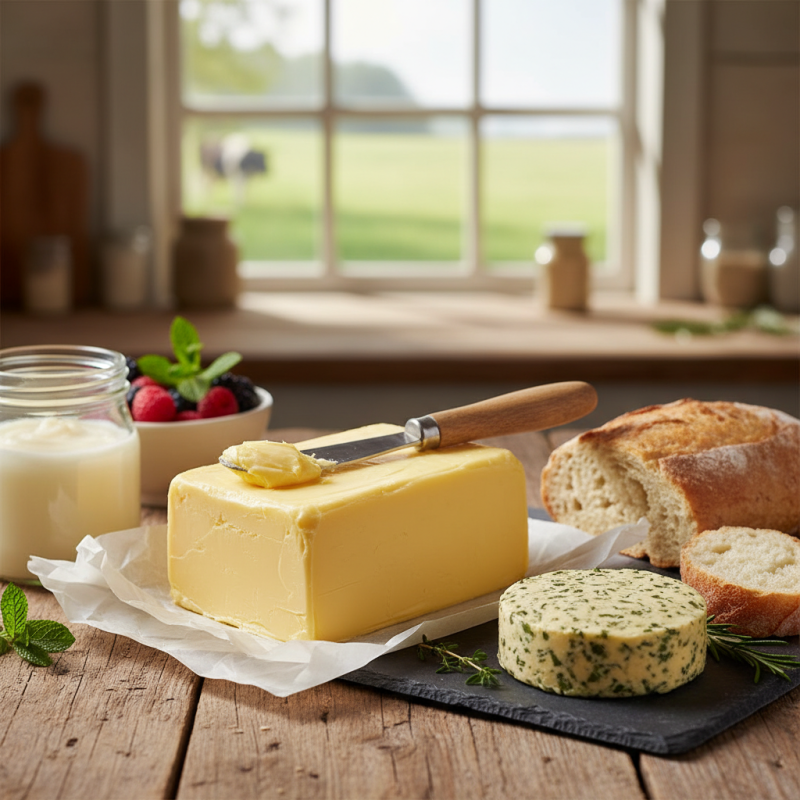
The unique types of animal farm butter vary significantly. From herbed butter to cultured varieties, each type serves its purpose. For instance, herbed animal farm butter complements fresh bread beautifully. The vibrant flavors awaken our senses and spark joy in every bite. However, not all animal farm butter is created equal. Some brands may lack authentic ingredients, leading to disappointment.
It’s crucial to recognize the differences. With an abundance of choices, exploring animal farm butter should be an enjoyable journey. As we dive into the different varieties, we must also reflect on sourcing. Supporting local farms often leads to a fresher, more flavorful product.
Overview of Animal Farm Butter Varieties
Animal farm butter comes in various types, each offering its unique benefits. From creamy spreads to rich cooking butters, these varieties cater to different preferences. The texture and flavor can differ significantly between types. Some are made from cow's milk, while others use goat or sheep's milk. Each type brings its distinct taste profile to the table.
Cow's milk butter is the most common choice. It has a smooth, creamy texture. This type is rich in vitamins and essential fatty acids. On the other hand, goat's milk butter tends to be tangier. It is often easier to digest for those with lactose intolerance. Sheep's milk butter is another alternative. It is richer and contains more nutrients compared to cow's milk butter.
Choosing the right type can be challenging. Personal taste plays a big role. Experimenting with different flavors might lead to delightful discoveries. One might find that they prefer the lighter notes of goat's milk butter over the richer sheep's milk variant. There’s beauty in exploration. Each variety has something unique to offer, which makes the experience exciting.
Nutritional Benefits of Grass-Fed Butter
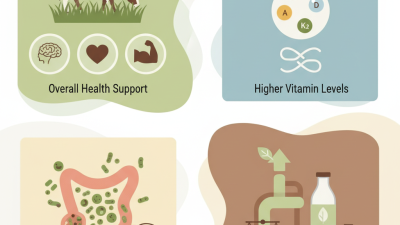
Grass-fed butter is a delightful choice for health-conscious individuals. It is made from the milk of cows that graze on natural grass. This diet enriches the butter with nutrients. Grass-fed butter offers higher levels of vitamin K2. Vitamin K2 plays a crucial role in bone health and heart health. It also contributes to better metabolism.
In addition to vitamins, this butter is rich in healthy fats. These fats are beneficial for brain health and energy. They can help maintain a balanced diet. However, not all butter is equal. The method of production can vary greatly. Some grass-fed butter may not be entirely grass-fed. This inconsistency leads to varying nutritional benefits.
Using grass-fed butter can enhance the flavor of meals. It adds a rich, creamy texture that many enjoy. Yet, it might not always be available everywhere. Some might find it more expensive. The taste and nutritional boost may persuade many to seek it out. While grass-fed butter has many benefits, it is essential to purchase it from trusted sources.
The Role of Salted vs. Unsalted Butter
Salted and unsalted butters play distinct roles in cooking and baking. Salted butter typically contains about 1.5% to 2% salt. The salt acts as a natural preservative, extending shelf life. This type is great for spreading on toast or adding flavor directly to dishes. Some chefs argue that it can mask the true taste of ingredients. Unsalted butter, on the other hand, allows for precise control over seasoning. Many bakers prefer it for recipes, as it gives them more flexibility.
According to a 2021 report by the American Dairy Association, over 70% of bakers choose unsalted butter for its purity in flavor. This choice can enhance the final product. However, salted butter can save time in cooking. No additional salt is needed for flavoring when using salted butter.
Tip: Consider your recipe's needs. If you’re baking, opt for unsalted butter. When making a quick dish, salted can add convenience. Remember, different types of butter provide varying textures and tastes. Not every dish buds with salted butter. Understanding these nuances can improve your cooking experience.
Top Types of Animal Farm Butter and Their Unique Benefits
Unique Flavor Profiles of Different Animal Origins
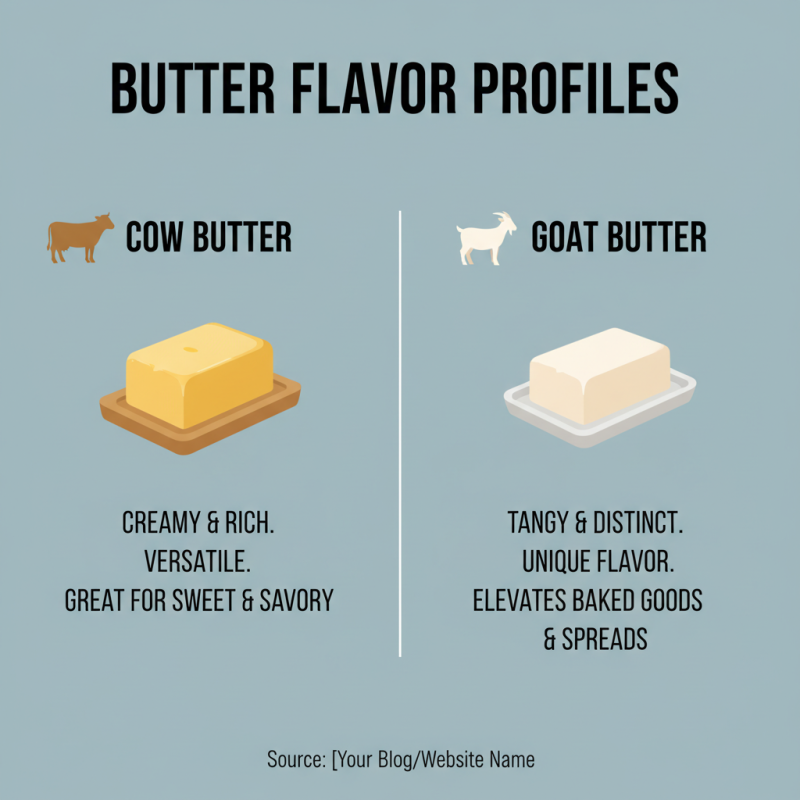
When it comes to butter from different animals, the flavor profiles can vary greatly. Cow’s milk butter is creamy and rich, making it a staple in many kitchens. It can enhance both sweet and savory dishes. Goat butter, while less common, offers a tangy and distinct taste. This unique flavor can elevate baked goods and spreads.
Sheep butter presents a different experience. It’s often richer than cow butter, with an almost nutty aftertaste. This makes it perfect for gourmet recipes. Buffalo butter is another intriguing option. It has a high-fat content, resulting in a velvety smooth texture. This butter works wonderfully for sauces and pastries.
However, not every type is for everyone. The strong flavor of goat butter can be polarizing. Some may find it off-putting. Additionally, the availability of these butters can be inconsistent. This may lead to disappointment for those trying to explore diverse flavors. Embracing the nuances of various animal butters invites joyous experimentation, while also prompting reflections on taste preferences.
Sustainability and Ethical Considerations in Butter Production
Sustainability is a crucial aspect of butter production. Many consumers are now more mindful of where their food comes from. This awareness drives demand for ethical farming practices. These farms often use regenerative methods. This can mean healthier animals and richer soil.
Butter production can be a resource-intensive process. Livestock farming requires substantial land and water. Reducing waste is essential. Farmers can repurpose by-products into feed. It's a way to minimize the carbon footprint. However, not all farms are doing this effectively. There’s a need for better transparency.
Tips: Look for butter sourced from farms practicing sustainability. Research local farms to understand their methods. Consider grass-fed options for healthier choices. They often have richer flavor profiles. Always question labels. What do they really mean for our planet?
Related Posts
-
Ultimate Guide to Bulk Butter Storage Tips for Freshness and Flavor
-

Top 10 Ways to Enjoy Fresh Milk in Your Daily Diet?
-
2026 Top Plant Butter Brands and Their Health Benefits
-
2026 Top Benefits of Grass Fed Butter for Your Health and Diet?
-
What Are the Health Benefits of Grass Fed Raw Milk?
-
10 Best Dairy Supplies for Your Farm Needs?