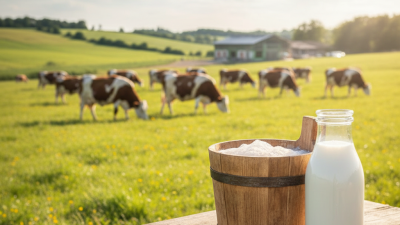
Best Grass Fed Raw Milk Benefits for Global Buyers?
In recent years, the popularity of grass fed raw milk has surged among health-conscious consumers. This shift reflects a growing interest in natural food sources. According to Dr. Emily Johnson, a leading expert in nutrition and dairy science, “Grass fed raw milk offers unique benefits that processed alternatives simply can’t match.” Her insights highlight the importance of understanding this product's advantages.
Grass fed raw milk is packed with nutrients. It contains healthy fats, vitamins, and beneficial bacteria. These components are essential for overall wellness. However, not all grass fed raw milk is created equal. Variations in farming practices can impact quality. This is an area where consumers need to be discerning.
While the health benefits are compelling, there are risks associated with raw milk consumption. Awareness and education are crucial for safe use. Buyers must consider sourcing from reputable farms. Transparency about practices is vital. Seeking knowledge about the product can empower consumers in their choices. Grass fed raw milk can be a valuable addition to one's diet, but informed decisions are key.
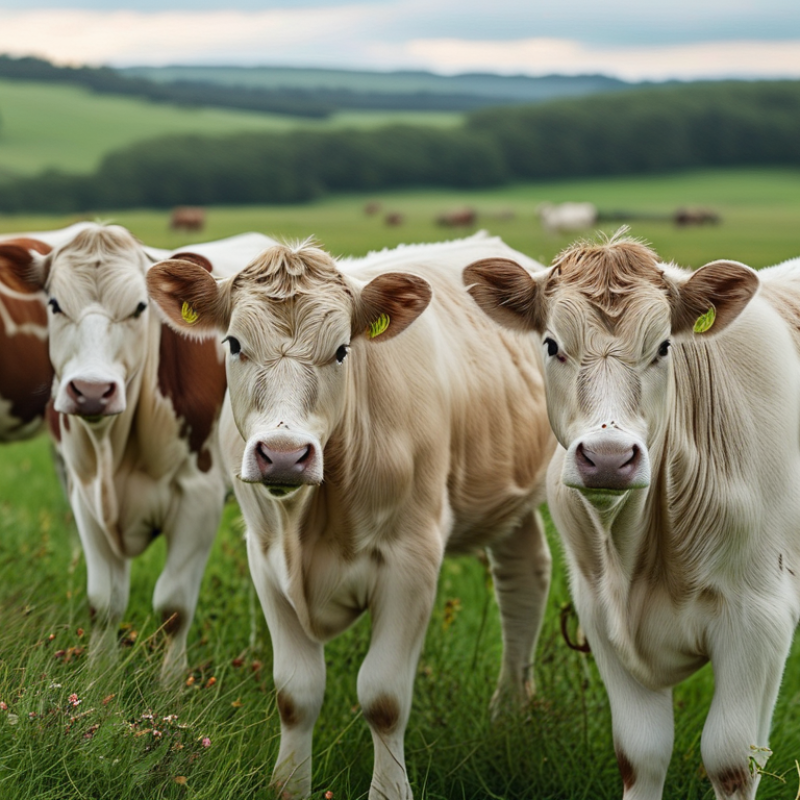
Benefits of Grass Fed Raw Milk for Health and Nutrition
Grass-fed raw milk offers numerous health and nutritional benefits that appeal to global buyers. This type of milk is produced by cows that grazed on natural pastures. The diet of these cows influences the nutrient profile of the milk. Grass-fed raw milk is rich in omega-3 fatty acids, which are essential for brain health. It also contains higher levels of conjugated linoleic acid (CLA), known for its potential anti-inflammatory properties.
Moreover, many people find that grass-fed raw milk is easier to digest compared to conventional milk. This may be due to the presence of beneficial enzymes and probiotics. These elements support gut health and enhance nutrient absorption. Some individuals report decreased lactose intolerance symptoms when consuming raw milk from grass-fed sources. However, it's crucial to remember that raw milk can pose certain health risks due to bacterial contamination if not handled properly.
Cultural and personal preferences play a significant role in the choice to consume raw milk. Communities that embrace traditional diets often include this milk. Preferences vary widely, and there is ongoing debate about raw versus pasteurized milk. Each has its advocates and potential health risks. Buyers should consider their values, health needs, and the sourcing of their milk. Understanding these aspects can lead to a more informed choice.
Comparison of Grass Fed Raw Milk vs. Conventional Milk Variants
Grass-fed raw milk has gained significant attention among consumers seeking healthier alternatives. Research indicates that grass-fed cows produce milk richer in omega-3 fatty acids and vitamin E compared to their grain-fed counterparts. A study by the Food Research Institute highlights that grass-fed milk contains approximately 62% more vitamin A than conventional variants. This difference is crucial for consumers focusing on nutrition and health.
While conventional milk often undergoes pasteurization that can eliminate some beneficial nutrients, grass-fed raw milk maintains its natural state. However, this practice raises concerns about food safety. The Centers for Disease Control and Prevention (CDC) emphasize the risks associated with raw milk consumption, including possible exposure to pathogens. Buyers should carefully weigh these factors.
Taste is another area of distinction. Many consumers claim that grass-fed raw milk has a creamier texture and richer flavor. However, sensory experiences can vary widely. Personal preferences often drive the choice between these milk types. It underscores the need for consumers to experiment and find what aligns with their tastes and health priorities. The choice often reflects individual values, making this subject complex and nuanced.
Environmental Impact of Grass Fed Dairy Farming Practices
The environmental impact of grass-fed dairy farming is significant. Research shows that grass-fed systems can reduce greenhouse gas emissions by up to 25% compared to conventional methods. This reduction is primarily due to enhanced soil health and carbon sequestration practices. Healthy soils absorb more CO2, helping mitigate climate change.
Additionally, grass-fed dairy farms often promote biodiversity. These farms typically use diverse pastures. This diversity supports various plant and animal species. A study highlighted that farms with mixed grazing systems can increase local flora and fauna populations by 30%. Yet, managing biodiversity requires careful planning. Not every grass-fed operation practices it effectively.
However, grass-fed dairy farming must also address water usage. Some reports indicate that grass-fed systems can require more water for irrigation. Balancing water use with environmental benefits is necessary. Farms must consider local climates and available resources. Without proper management, the benefits of grass-fed dairy may not be fully realized. These challenges present opportunities for improvement in sustainable practices.
Global Market Trends for Grass Fed Raw Milk Purchases
The global market for grass-fed raw milk has been experiencing significant changes. More consumers are becoming aware of the health benefits associated with this product. Grass-fed raw milk is known for its higher nutritional value. It often contains more omega-3 fatty acids and vitamins compared to conventional milk. This shift in awareness drives demand, leading to an increase in sales.
Trends suggest that buyers are seeking transparency in sourcing. They want to know where their milk comes from and how the cows are raised. Ethical farming practices are becoming a priority for consumers. The rise of organic and sustainably produced goods has created opportunities for grass-fed raw milk suppliers. However, challenges remain, including milk safety protocols and regional regulations.
Research indicates that taste preferences also play a role in purchasing decisions. Many consumers report that they prefer the flavor of grass-fed raw milk. This preference bumps up sales in markets that are more adventurous about trying new products. Buyers must navigate both the benefits and potential drawbacks, such as price and availability, in their purchasing choices.
Legal Regulations and Safety Standards for Raw Milk Distribution
Raw milk is gaining popularity among consumers for its potential health benefits, especially when sourced from grass-fed cows. However, the distribution of raw milk is tightly regulated in many regions. These legal regulations ensure safety standards are upheld. Different countries have varying laws regarding its sale. In certain places, raw milk can only be sold directly to consumers. This limits access, yet aims to reduce health risks associated with unprocessed milk.
Safety standards for raw milk often involve rigorous testing. Producers must regularly check for pathogens and other contaminants. Adhering to these standards is crucial for maintaining public trust. Despite these efforts, issues can arise. Some producers may overlook important safety measures. This can lead to serious health consequences if the milk is improperly handled. Consumers must be vigilant and informed about where their raw milk comes from, especially in regions with less stringent regulations.
Understanding these legal frameworks helps consumers make better decisions. While raw milk offers potential benefits, awareness of safety protocols is essential. The complexities of raw milk distribution highlight the need for ongoing education. It is important to recognize the balance between health benefits and safety risks. Consumers should always seek transparency from producers about their practices.
Best Grass Fed Raw Milk Benefits for Global Buyers
Related Posts
-
Is Grass Fed Raw Milk the Best Choice for Global Buyers?
-
Top 10 Benefits of Grass Fed Raw Milk for Health and Wellness
-
Best Raw Butter for Global Buyers Seeking Quality?
-

Top 10 Uses for Bulk Butter in Cooking and Baking?
-
Order Milk at the 139th Canton Fair for Global Sourcing?
-

2026 Top Plant Butter Trends You Need to Know About?