Best Raw Butter for Global Buyers Seeking Quality?
In recent years, the demand for high-quality raw butter has surged globally. A report from the Dairy Market Report indicates that raw butter production grew by 15% in the past year alone. This growth reflects a shift towards natural, minimally processed products. Experts agree that quality is key for buyers. Renowned industry specialist Dr. Emily Rodriguez states, "The essence of raw butter lies in its purity and nutritional benefits."
However, the raw butter market presents challenges. Suppliers must navigate varying standards and regulations worldwide. Many products lack proper certification, leading to consumer confusion. Accurate sourcing remains crucial for buyers seeking reliability. Dr. Rodriguez emphasizes, "Not all raw butters are created equal; quality control is essential."
With consumer interest soaring, focusing on trusted suppliers can ensure optimal quality. Buyers must be vigilant in their research and demand transparency. Raw butter holds potential for both culinary and health applications, but consumers must educate themselves on what truly constitutes quality. The future of the market relies on clarity and expertise in sourcing raw butter.
Understanding Raw Butter: A Comprehensive Overview
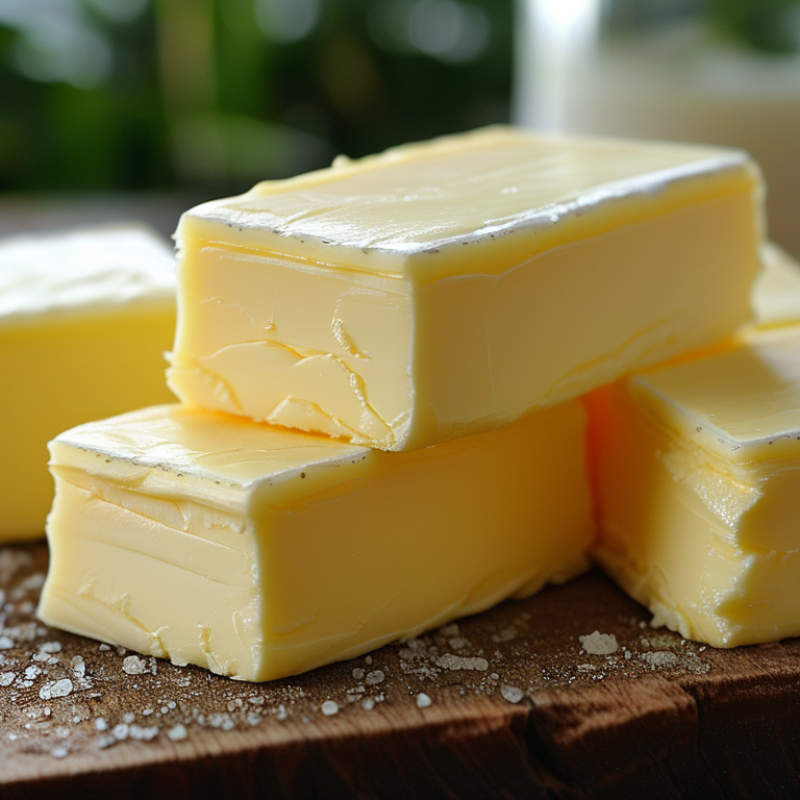
Raw butter is gaining attention for its rich flavor and health benefits. Many consumers are turning to it for its natural properties. Understanding what makes quality raw butter is essential for buyers around the world.
Real raw butter comes from grass-fed cows and is minimally processed. This ensures nutrients are preserved. It often has a golden hue, indicating high beta-carotene levels. Quality raw butter offers a creamy texture and rich taste that can enhance various dishes. However, not all raw butter is equal. Some may contain additives that detract from its purity.
Buyers should also consider the source. Sustainable farming practices impact the overall quality. Knowledge of sourcing can enhance trust and reliability. As with many food products, there’s a risk of misleading labels. It's vital to research and seek out trusted suppliers. Establishing a connection with farmers or producers can inspire confidence in purchasing decisions.
Key Qualities to Look for in Quality Raw Butter
When seeking quality raw butter, certain key qualities should be prioritized. Freshness is paramount. Studies indicate that fresh raw butter retains more nutrients, including vitamins A, D, E, and K. These fat-soluble vitamins are crucial for overall health. Aged butter may lose its nutritional value and flavor profile, leading to a subpar product.
The source of the milk is equally important. Grass-fed cows generally produce milk that yields richer raw butter. Data from dairy studies show that grass-fed butter contains higher levels of omega-3 fatty acids and conjugated linoleic acid (CLA). These components are linked to various health benefits, including improved heart health. Additionally, pay attention to the butter's color. A vibrant yellow hue often indicates higher beta-carotene levels, which is a sign of quality.
Texture and aroma also contribute to quality assessment. High-quality raw butter should be creamy and smooth. It should also emit a pleasant, rich scent. A compromised texture or off-putting smell may indicate spoilage or poor handling. Therefore, consumers should trust their senses alongside empirical data. This holistic approach helps ensure that the butter meets high standards for taste and nutrition.
Top Global Suppliers of Premium Raw Butter
When sourcing premium raw butter, global buyers must identify top suppliers who excel in quality and reliability. According to industry reports, the global raw butter market has witnessed significant growth, with a projected CAGR of around 4.5% from 2023 to 2028. This growth is driven by increasing demand for natural and organic dairy products. Premium raw butter is often sought for its rich flavor and nutritional benefits, making it a staple for various culinary applications.
The top suppliers are characterized by their adherence to strict quality control measures. They utilize advanced technology to ensure the butter maintains its purity and flavor during production. Buyers should pay attention to the source of the milk used, as grass-fed cows typically produce butter with higher nutrient content. Additionally, suppliers should also provide transparency regarding their farming practices and processing methods.
Tip: Evaluate suppliers based on their certifications and industry awards. Authentic certifications can signal a commitment to quality.
It’s crucial to consider the supplier's capacity to meet demand consistently. Some suppliers may excel in quality, but can struggle with scalability. This unreliability can impact overall supply chains and customer satisfaction. It is wise to establish strong relationships with suppliers who demonstrate both quality and dependability.
Tip: Regularly communicate your needs. This helps suppliers adjust and maintain their service levels.
Best Raw Butter for Global Buyers Seeking Quality? - Top Global Suppliers of Premium Raw Butter
| Country of Origin | Quality Grade | Fat Content (%) | Price per Kg (USD) | Packaging Type |
|---|---|---|---|---|
| New Zealand | Grade A | 82 | 12.50 | Vacuum Sealed |
| France | Artisan | 80 | 15.75 | Bulk |
| USA | Premium | 81 | 11.00 | Plastic Tub |
| Ireland | Organic | 82 | 13.50 | Glass Jar |
| Germany | Traditional | 80 | 10.25 | Wrapped |
Health Benefits of Consuming Raw Butter
Raw butter offers numerous health benefits that make it a valuable addition to our diets. It contains healthy fats that are easily digestible. These fats can aid in absorbing fat-soluble vitamins like A, D, E, and K. Consuming raw butter may support immune function and promote skin health. The richness of butyrate, a short-chain fatty acid found in butter, can help reduce inflammation. This compound also plays a role in gut health, which is crucial for overall well-being.
Another aspect worth considering is the nutritional density of raw butter. It is rich in essential nutrients, including omega-3 fatty acids, CLA, and various micronutrients. Each component works together to support heart health and hormone balance. However, some may have concerns about saturated fats. It’s important to balance consumption with overall dietary habits.
While the benefits are significant, not everyone may digest raw butter well. Some individuals might experience discomfort from the lactose content. Listening to your body is key. If consumed mindfully, raw butter can enhance meals and contribute to a wholesome diet.
Sustainable Practices in Raw Butter Production
Sustainable practices are essential in raw butter production. Many producers are now focusing on environmentally friendly methods. They prioritize grass-fed cows, which leads to higher quality milk. This approach not only benefits animal welfare but also enhances the nutritional profile of the butter.
Moreover, transparency in sourcing is crucial. Ethical sourcing means providing fair compensation to farmers. Many consumers are becoming more aware and expect clear information about supply chains. However, not all producers adhere to these standards. Some might claim sustainability without real commitment, prompting buyers to scrutinize their labels closely.
Quality often reflects these practices. Butter made from sustainably raised cows tends to have a richer flavor. This is because of the cows' natural diet. Consequently, it stands out in taste and quality. Buyers should remain vigilant. They must research and ensure they support producers who genuinely prioritize sustainability.
Related Posts
-
What is European Butter and Why is it Different from Other Butters?
-

How to Get Milk Delivered to Your Home Easily?
-
Order Milk at the 139th Canton Fair for Global Sourcing?
-
Top 10 Ways to Enjoy Fresh Milk in Your Daily Diet?
-
How to Choose the Best Cow Milk for Your Health and Lifestyle Needs
-
What is the Best Dairy Foods for Global Buyers?