What is Grassland Salted Butter and Why is it Popular?
Grassland salted butter has become a culinary favorite, celebrated for its rich flavor and creamy texture. Renowned food expert Chef Thomas Green notes, "Grassland salted butter elevates any dish with its unique taste." This popularity stems from the distinct method of production.
Crafted from grass-fed cow's milk, this butter is naturally flavored and offers a decadent experience. Its high butterfat content enhances both baking and cooking, making it versatile. Chefs appreciate its ability to add depth to simple dishes. However, not all grassland salted butter is equal. Sourcing quality, organic products requires attention to detail, and many consumers may overlook this aspect.
This trend highlights a growing appreciation for artisanal food. The demand for authentic, flavorful ingredients drives innovation. Yet, with increased interest, some brands may prioritize profits over quality. Engaging with reputable sources becomes essential. Grassland salted butter is more than just a spread; it represents a movement towards mindful eating.
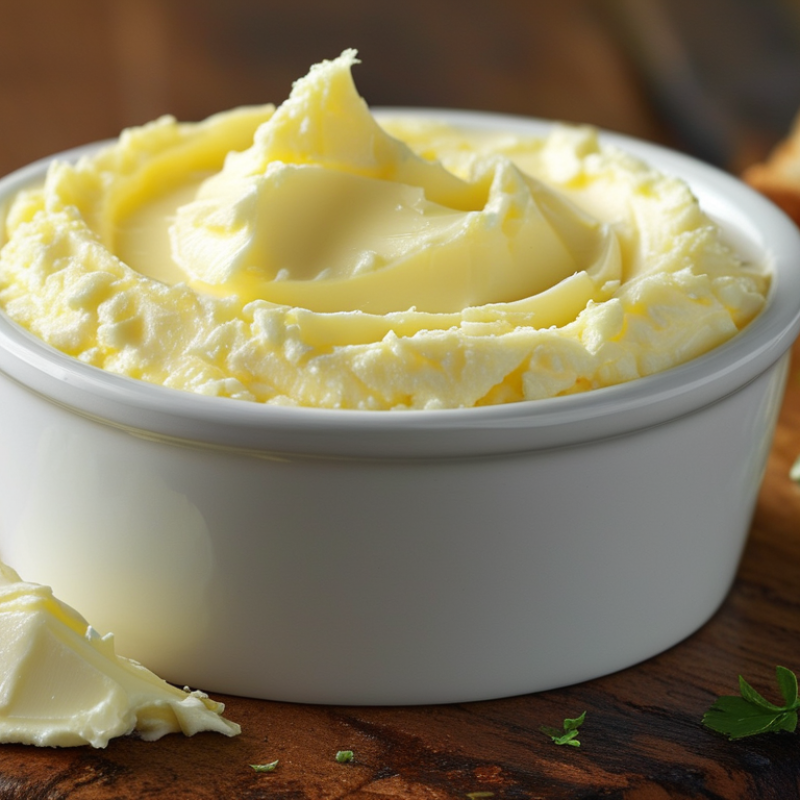
What is Grassland Salted Butter?
Grassland salted butter is a unique dairy product known for its rich flavor. This butter comes from grass-fed cows, which graze on lush pastures. Their diet contributes to the butter's creamy texture and deep yellow hue. The process of churning the cream involves traditional methods, ensuring quality. Each batch can vary in taste, depending on the season and grass quality.
Many people find the taste of grassland salted butter to be exceptional. The salt enhances its natural flavor, making it ideal for both cooking and spreading. Chefs often prefer it because it adds a gourmet touch to dishes. The artisanal approach behind its production appeals to food enthusiasts. They appreciate the connection between the butter and the land where the cows graze.
Yet, this butter isn’t without its flaws. Some may find its texture too soft for certain recipes. Others might prefer a less salty option. There are also debates about sustainability and animal welfare in butter production. Consumers should consider these factors when choosing their dairy products.
The Unique Flavor Profile of Grassland Salted Butter
Grassland salted butter stands out due to its unique flavor profile. This butter is crafted from the milk of grass-fed cows, which significantly affects its taste. According to a 2021 industry report by the Dairy Research Institute, butter from grass-fed cows contains a higher concentration of omega-3 fatty acids and a distinct grassy aroma. These health benefits enhance its appeal among nutrition-conscious consumers.
The flavor is rich, creamy, and slightly nutty. Its unique characteristics make it a popular choice for baking, cooking, and spreading. Many chefs rave about its ability to elevate simple dishes. A study in the Journal of Food Science found that consumers rated butter with a strong grass flavor as more desirable. This flavor complexity makes it versatile in various culinary applications.
When using grassland salted butter, consider temperature for optimal texture. For spreading, let it soften at room temperature. This enhances the experience, both in flavor and mouthfeel. Cooking with it can deepen flavors in sauces or vegetables. Moreover, taste testing different varieties can lead to surprising preferences. Experimenting with its application can reveal nuances in your favorite recipes.
What is Grassland Salted Butter and Why is it Popular? - The Unique Flavor Profile of Grassland Salted Butter
| Attribute | Description |
|---|---|
| Flavor Profile | Rich, creamy, and slightly tangy |
| Texture | Smooth and spreadable |
| Origin | Made from milk of grass-fed cows |
| Common Uses | Baking, cooking, and spreading on bread |
| Health Benefits | Contains beneficial fatty acids and vitamins |
| Popularity Reason | Enhanced flavor compared to regular butter |
Nutritional Benefits of Grassland Salted Butter
Grassland Salted Butter has gained popularity not only for its flavor but also for its nutritional benefits. This butter is made from the milk of cows that graze on grass, rich in omega-3 fatty acids and vitamins A, D, and K2. According to a 2021 study published in the Journal of Dairy Science, grass-fed dairy products show higher concentrations of these essential nutrients compared to grain-fed equivalents. This makes Grassland Salted Butter not just a tasty choice, but also a health-conscious one.
Research indicates that grass-fed butter contains up to 500% more conjugated linoleic acid (CLA) compared to regular butter. CLA is known for its potential role in fat loss and improving immune function. Additionally, a report from the National Dairy Council highlights that the fatty acids found in Grassland Salted Butter may help in reducing inflammation. While the butter is delicious, some might question its higher price point compared to conventional butter. However, many health experts suggest that the nutritional superiority justifies the investment for those seeking a more healthful diet.
Despite these benefits, individuals should reflect on their overall dietary choices. Incorporating Grassland Salted Butter should complement a balanced diet rich in various food groups. Moderation remains key, as butter is calorie-dense. Emphasizing quality over quantity can lead to smarter health decisions and a deeper understanding of what we consume.
The Popularity of Grassland Salted Butter in Culinary Uses
Grassland salted butter has gained significant popularity in culinary circles. Its rich, creamy texture and balanced saltiness enhance a variety of dishes. According to industry reports, this butter has seen a 25% increase in demand over the past three years. Professional chefs appreciate it for its versatility, as it can elevate simple recipes, from popcorn to gourmet sauces.
In baking, grassland salted butter stands out. The salt content enhances flavor without overwhelming sweetness. Many pastry chefs prefer it for cookies and cakes. Research indicates that salted butter can improve the shelf life of baked goods, contributing to its popularity. Moreover, people find that it adds a depth of flavor that unsalted options often lack.
When using grassland salted butter, consider these tips. Use it in moderation if you are watching your sodium intake. Also, experiment with different brands to find one that fits your taste. Finally, storing it properly can maintain its freshness for longer. This approach can lead to a more satisfying culinary experience.
Popularity of Grassland Salted Butter in Culinary Uses
How to Choose and Store Grassland Salted Butter
When choosing Grassland salted butter, consider its flavor and texture. Look for a rich, creamy consistency. This type of butter often rises to the top in terms of taste. It pairs beautifully with bread, pastries, or even vegetables. The right choice depends on your culinary needs. Freshness is key here.
Storage plays a crucial role in maintaining quality. Keep your butter in a cool, dark place. Refrigeration can extend its shelf life. Ensure it’s stored in an airtight container to prevent it from absorbing other odors. Using butter within a few weeks is ideal for the best flavor.
Reflect on how you use butter in your cooking. Sometimes, alternatives may seem appealing, but quality matters. Grassland salted butter provides depth to dishes. Experiment to discover how this butter enhances your cooking. Make adjustments based on your taste preferences. Over time, you will get a better sense of what works best for you.
Related Posts
-
Top Tips for Sourcing Quality Grassland Butter Globally
-
Is Grass Fed Raw Milk the Best Choice for Global Buyers?
-

Top 10 Dairy Farming Practices in China for Global Buyers?
-
Top 10 Benefits of Using European Butter for Your Recipes?
-
2026 How to Choose the Best Dairy Delivery Service?
-

Best Ways to Order Milk Online for Global Buyers?