Top 10 Benefits of Grass Fed Raw Milk for Global Buyers?
The rising popularity of grass fed raw milk reflects a growing awareness of its health benefits. Many consumers are seeking natural and nutritious options. Grass fed raw milk comes from cows that graze on pasture, offering unique nutritional profiles compared to conventional milk. This milk is packed with vitamins, healthy fats, and beneficial enzymes.
Global buyers are increasingly interested in grass fed raw milk for several reasons. This milk is often more flavorful and rich in essential nutrients. Reports suggest that it contains higher levels of omega-3 fatty acids and antioxidants. These nutrients can support immune health and overall well-being. Moreover, sourcing grass fed raw milk promotes sustainable agricultural practices, benefiting both consumers and farmers.
However, challenges exist in accessing quality grass fed raw milk. Many regions have strict regulations on raw milk sales. Consumers must navigate these laws carefully. Despite these hurdles, the potential health benefits and positive environmental impact make grass fed raw milk an appealing option for global buyers. Understanding its significance in today’s market is essential, as consumers seek healthier and more sustainable food choices.
Understanding Grass Fed Raw Milk: What Makes It Unique
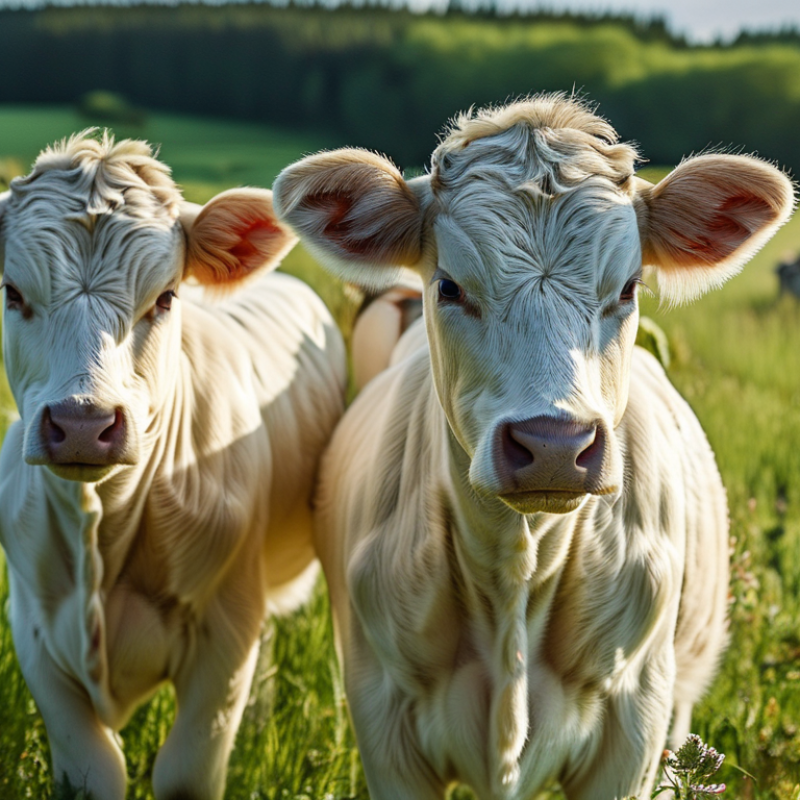
Grass fed raw milk is gaining attention for its unique nutritional profile. This milk comes from cows that graze on grass and forage, resulting in richer nutrients. It contains higher levels of omega-3 fatty acids and conjugated linoleic acid (CLA). These nutrients support heart health and promote a balanced diet.
The production process of grass fed raw milk is crucial. Cows consume fresh grass, which enhances the flavor and overall quality of the milk. The absence of chemicals and additives makes it appealing to consumers seeking natural options. Moreover, raw milk contains beneficial enzymes and probiotics that can support gut health.
However, sourcing this milk requires careful consideration. Not all suppliers prioritize proper handling and safety standards. There is a need for transparency in sourcing. Consumers often must navigate regulations and varying quality levels. This complexity may challenge those new to raw milk. Understanding these factors can lead to informed choices that align with preferences and health needs.
Nutritional Advantages of Grass Fed Raw Milk Compared to Conventional Milk
Grass-fed raw milk offers a range of nutritional advantages over conventional milk that appeal to health-conscious consumers. This milk comes from cows that graze on grass, which influences its composition. Grass-fed milk is typically higher in omega-3 fatty acids, essential for heart health. These fatty acids can help reduce inflammation and support brain function. Additionally, this type of milk contains more conjugated linoleic acid (CLA), which has been linked to fat loss and improved metabolic health.
The vitamin content is also noteworthy. Grass-fed raw milk is richer in vitamins A and E, both known for their antioxidant properties. This milk provides a natural source of beta-carotene due to the green grass in cows’ diets. On the flip side, the process of raw milk production raises questions regarding safety and pasteurization. Some believe that avoiding pasteurization preserves beneficial bacteria and enzymes, while others worry about harmful pathogens.
This balance of benefits and concerns makes understanding the nutritional profile of grass-fed raw milk crucial. While many appreciate its flavor and health benefits, potential buyers should weigh these aspects against the risks associated with raw dairy. Engaging in thorough research can guide decisions, offering insights into both the advantages and the precautions necessary for safe consumption.
Health Benefits: How Grass Fed Raw Milk Supports Immune Function
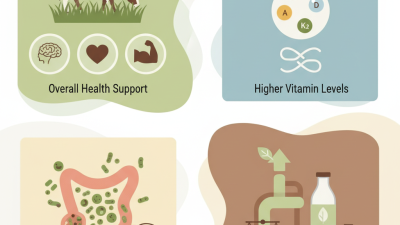
Grass-fed raw milk offers numerous health benefits, particularly in supporting immune function. Rich in vitamins A, D, and K2, it contributes to overall health. These nutrients play a crucial role in maintaining a robust immune system. Grass-fed sources also provide a higher concentration of omega-3 fatty acids and conjugated linoleic acid, which are known to reduce inflammation.
One of the lesser-known aspects of grass-fed raw milk is its postbiotic content. Postbiotics are metabolic byproducts that can enhance gut health. A well-functioning gut contributes significantly to a strong immune response. Regular consumption may improve digestion and nutrient absorption.
Including grass-fed raw milk in your diet can be beneficial, but consider starting gradually. Listen to your body to observe any changes. Remember to consult health professionals if you have concerns. Quality and sourcing are key, so look for reputable suppliers. Pay attention to how your body reacts to this nourishing option, allowing for personal adjustments over time.
Environmental Impact: Sustainable Farming Practices Behind Grass Fed Milk
Sustainable farming practices play a crucial role in the production of grass-fed raw milk. Cows raised on grass have a natural diet that promotes their health. This leads to higher quality milk, rich in nutrients. Grazing animals also help improve soil health through their natural behaviors. They deposit manure, which enhances soil fertility and biodiversity.
Grass-fed dairy farms typically require fewer chemicals and fertilizers. This approach reduces pollution and conserves local ecosystems. Even so, some farms face challenges in maintaining organic standards. This reflects the complex balance required in sustainable agriculture. The impact of climate change also affects how these farms operate. Droughts and changing weather patterns can threaten grass availability.
The commitment to ethical practices is noticeable in grass-fed dairy operations. Farmers often prioritize animal welfare, ensuring cows live in open spaces. Yet, some consumers might question the consistency of these practices across different regions. Disparities in farming methods can lead to varying product quality. Education on these differences allows buyers to make informed choices. The landscape of sustainable farming is continually evolving, with room for improvement.
Top 10 Benefits of Grass Fed Raw Milk for Global Buyers
Cultural Perception: The Global Demand for Grass Fed Raw Milk Products
The global demand for grass-fed raw milk products has surged in recent years. This is largely influenced by changing consumer attitudes towards natural and organic foods. According to a report by Grand View Research, the organic dairy market is projected to reach $16.3 billion by 2025. Consumers are more aware of the benefits of grass-fed diets, tending to favor products that support animal welfare and sustainable practices.
Cultural perceptions play a significant role in this shift. In many countries, raw milk is seen as a return to traditional agricultural practices. North America and Europe have witnessed a growing interest. Recent studies indicate that 58% of consumers believe grass-fed milk has superior nutritional value compared to conventional milk. Nutritionally, grass-fed raw milk is rich in omega-3 fatty acids and vitamins, appealing to health-conscious buyers.
However, there remain challenges. While some consumers are enthusiastic, others remain skeptical about raw milk's safety. Reports from the CDC show that raw milk can pose health risks due to pathogens. This tension reflects deeper questions about food safety and consumer education. Overall, as global buyers seek authenticity in their food choices, grass-fed raw milk embodies a blend of health benefits and cultural significance.
Top 10 Benefits of Grass Fed Raw Milk for Global Buyers
| Benefit | Description | Cultural Perception | Global Demand |
|---|---|---|---|
| Nutritional Value | Higher levels of Omega-3 fatty acids and vitamins A, D, and K. | Considered healthier in many cultures. | Increasing demand among health-conscious consumers. |
| Digestibility | Easier to digest due to beneficial enzymes. | Preferred by those with lactose intolerance. | Rising interest in alternatives to conventional dairy. |
| Raw vs Pasteurized | Preservation of natural probiotics. | Emphasized in artisanal and traditional diets. | Growing market for raw dairy products. |
| Sustainability | Promotes eco-friendly farming practices. | Strongly valued in environmentally conscious societies. | Increased interest in sustainable food sources. |
| Taste | Rich, creamy flavor appreciated by consumers. | Culinary preference in gourmet circles. | Strong sales in niche market segments. |
| Animal Welfare | Cows are raised in humane, pasture-based systems. | Highly valued by ethical consumers. | Growing demand for ethical food sources globally. |
| Health Benefits | Potential reduction in allergies and asthma. | Increasing awareness of food's impact on health. | Higher sales in health-focused retail outlets. |
| Support for Local Farmers | Encourages local agricultural economies. | Popular in communities valuing local produce. | Growth in local food movements. |
| Cultural Heritage | Respects traditional farming and consumption methods. | Esteemed in cultures with rich dairy traditions. | Revival of traditional food practices. |
| Community Building | Fosters connections between consumers and producers. | Encouraged in communities valuing direct sourcing. | Increased popularity of farmers' markets. |
Related Posts
-
2026 Top Benefits of Grass Fed Butter for Your Health and Diet?
-
How to Choose the Best Grass Fed Butter for Your Healthy Diet?
-
Is Grass Fed Raw Milk the Best Choice for Global Buyers?
-
What Are the Health Benefits of Grass Fed Raw Milk?
-
Top 10 Benefits of Grass Fed Raw Milk for Health and Wellness
-
Best Grass Fed Raw Milk Benefits for Global Buyers?